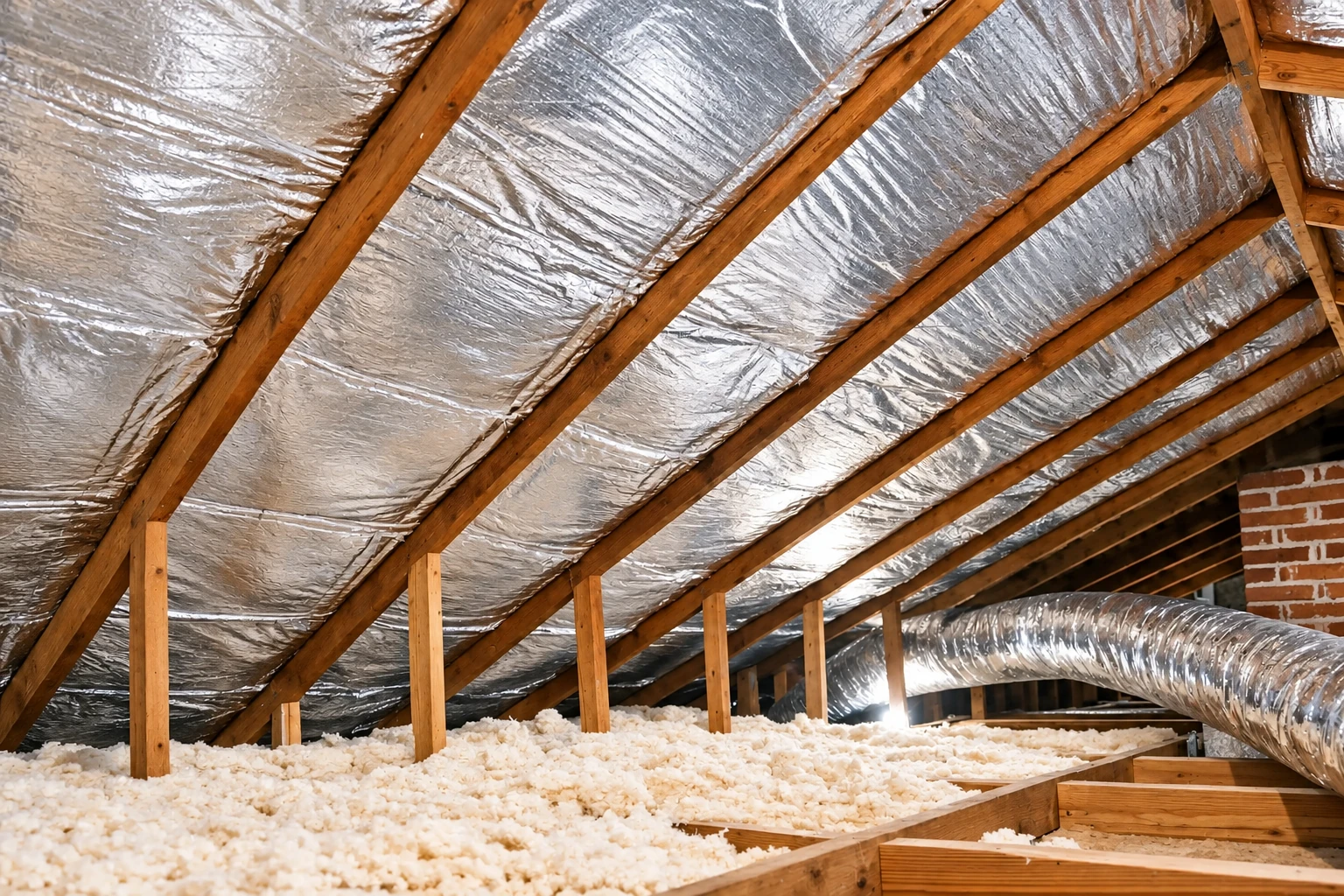
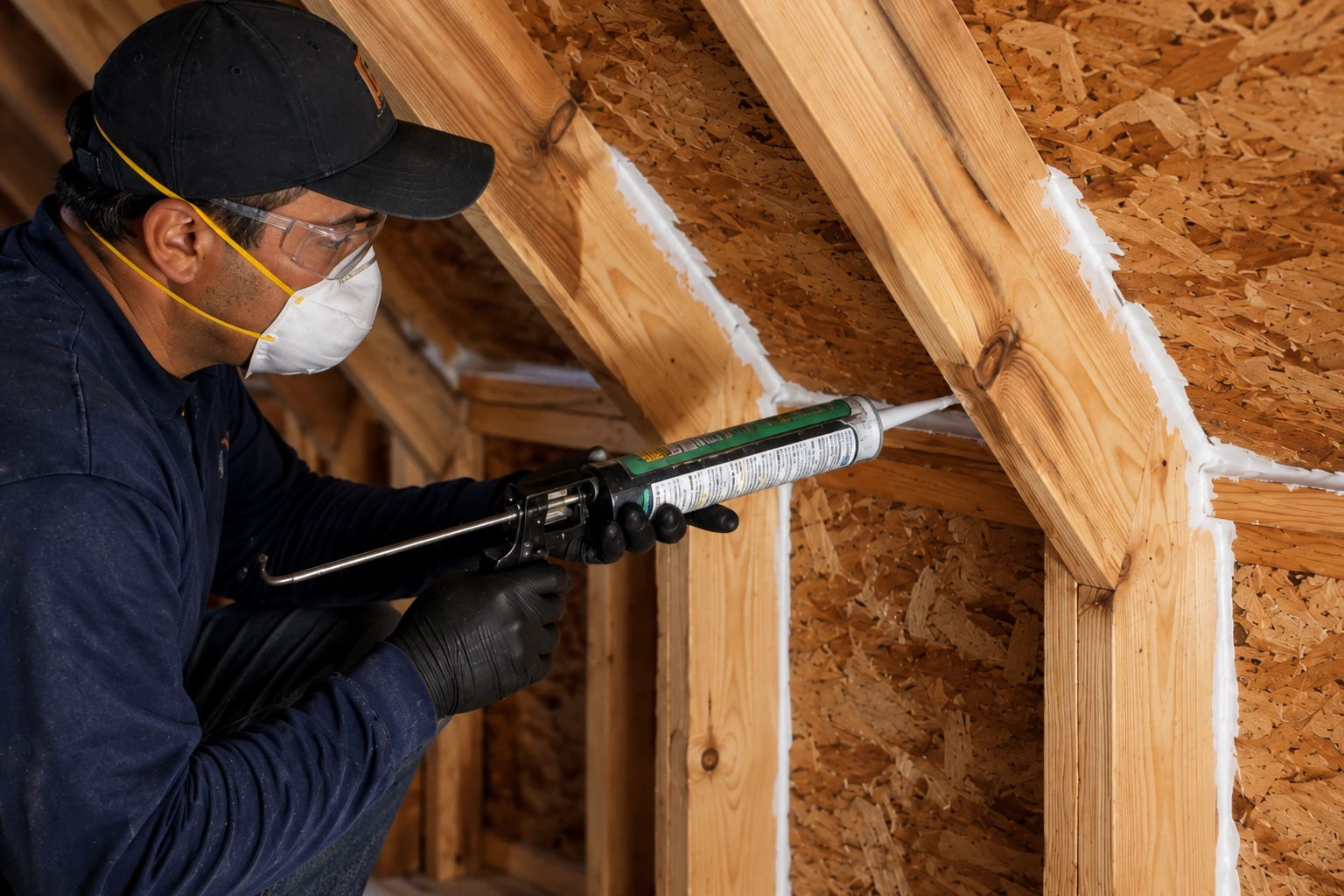
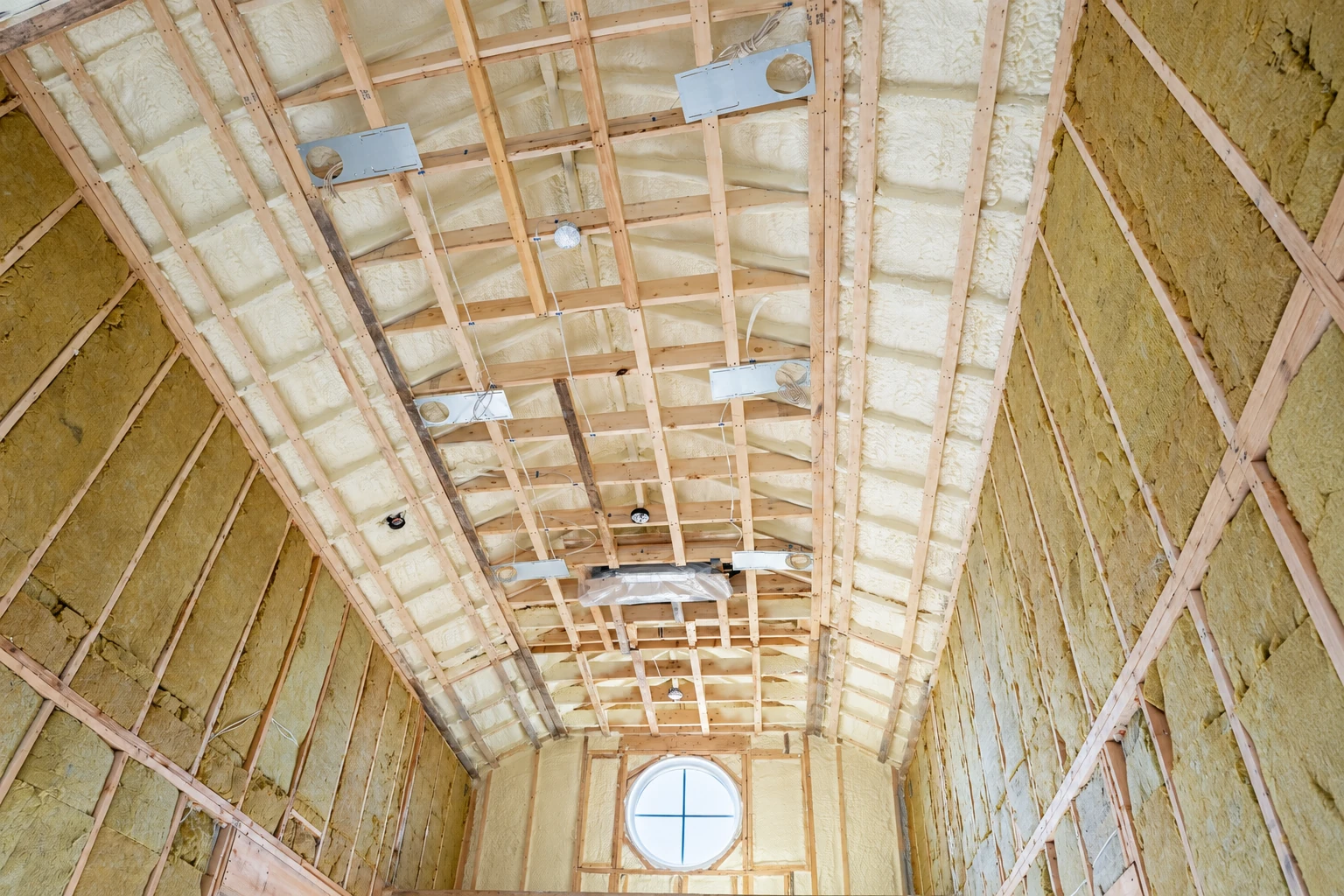
Before we seal anything, we go through the whole attic looking for roof leaks, old wiring and bath fans venting into the attic, because those have to be repaired first or the sealing just closes the problem in. Then our crew works across the attic floor, sealing around pipes, wires, flues, light fixtures and the hatch with material matched to the size of each gap and the heat around it. We keep the soffit and ridge vents clear the whole way, so the attic still moves air the way it should. The last pass is along the eaves, where gaps are easy to miss and insulation tends to end up thin.
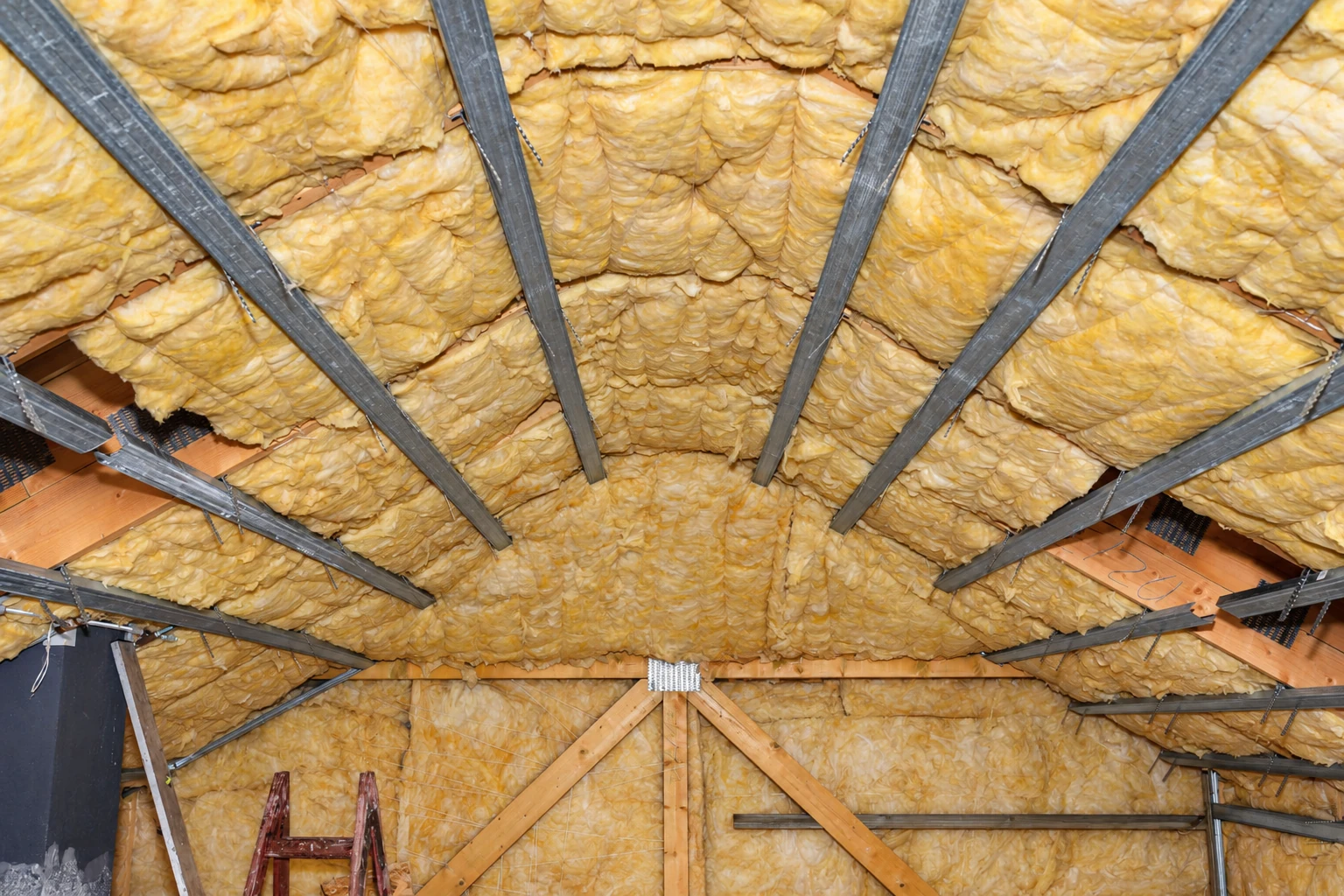
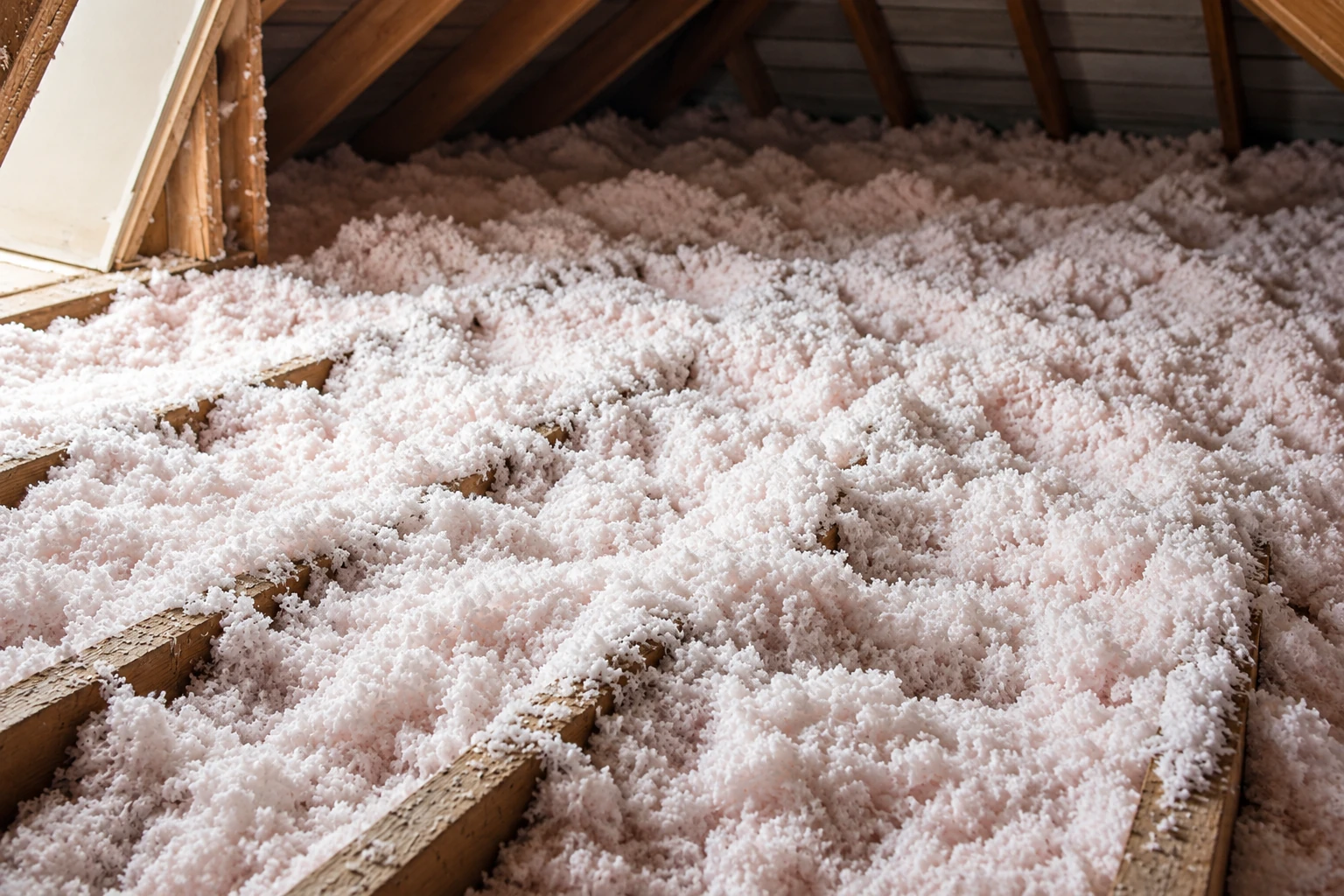
Sealing is usually one piece of a bigger plan. In older houses it often goes with retrofit insulation, adding insulation to a house that's already built, and we seal first so the new layer isn't fighting a draft. Where the ductwork runs through the attic, spray foam insulation at the roofline can be worth the extra cost, since foam seals air while it insulates. For most attics, though, sealing the gaps and topping up blown-in insulation, loose fill blown in through a hose, does the job for less.
Sealing now, insulation later
This suits an attic where the insulation already up there is dry, clean and fairly even, or where you'd rather spread the work out. We seal now so whatever goes on later isn't fighting a draft, and I'll tell you if the top-up can wait.
Sealing right before new insulation
This suits an attic with thin or patchy insulation, the kind that's deep in the middle and bare at the edges. We seal the ceiling first and add insulation as the next step, with any soaked or dirty material taken out before anything new goes down.