
I look at every job myself
I come out to every job, go up in the attic or under the house and write the estimate myself. It's laid out step by step, so you see what comes out, what gets sealed and what goes in before you decide anything.
B&C North Charleston Insulation is an insulation contractor based in North Charleston, SC. We insulate and air seal attics, crawl spaces and walls for homeowners across Mount Pleasant, in older houses near the harbor and newer neighborhoods alike.
(843) 278-0240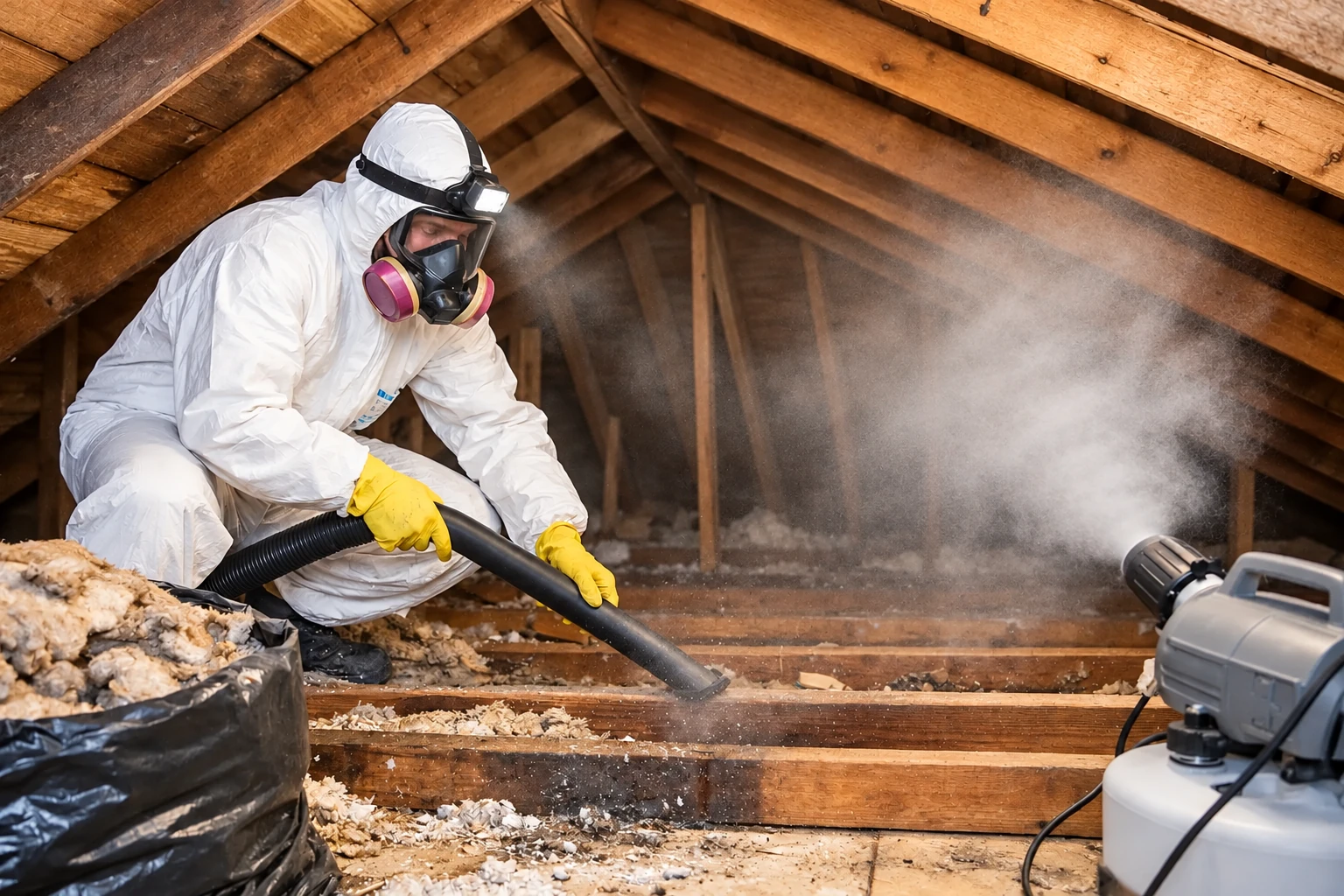
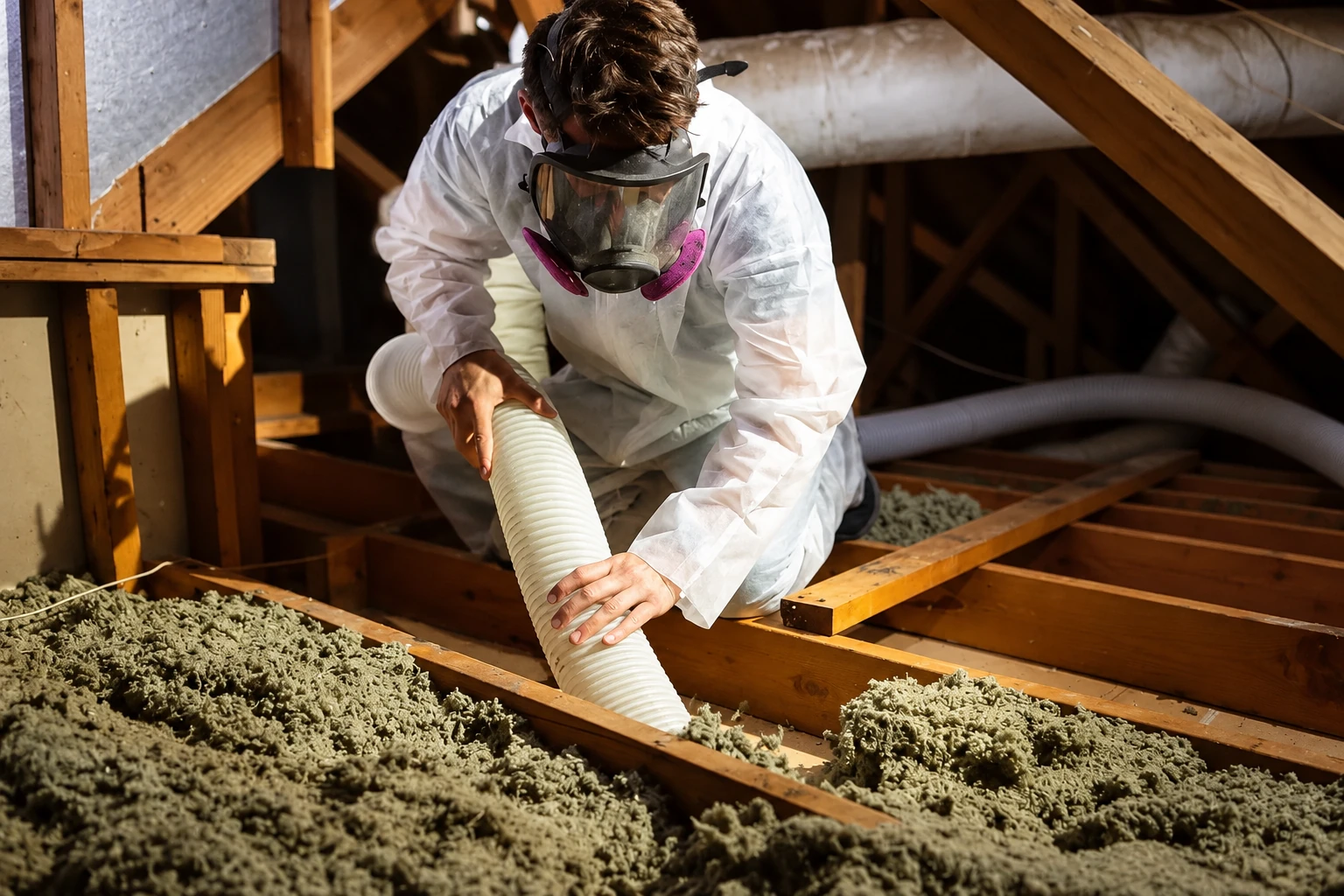
Most Mount Pleasant calls start with a room that won't cool, often the one over the garage, or with floors that feel cold. When I go up, the attic usually shows the reason, with ductwork running through it, open gaps around the lights and the hatch, and insulation piled deep in the middle and thin at the edges, which is backward.
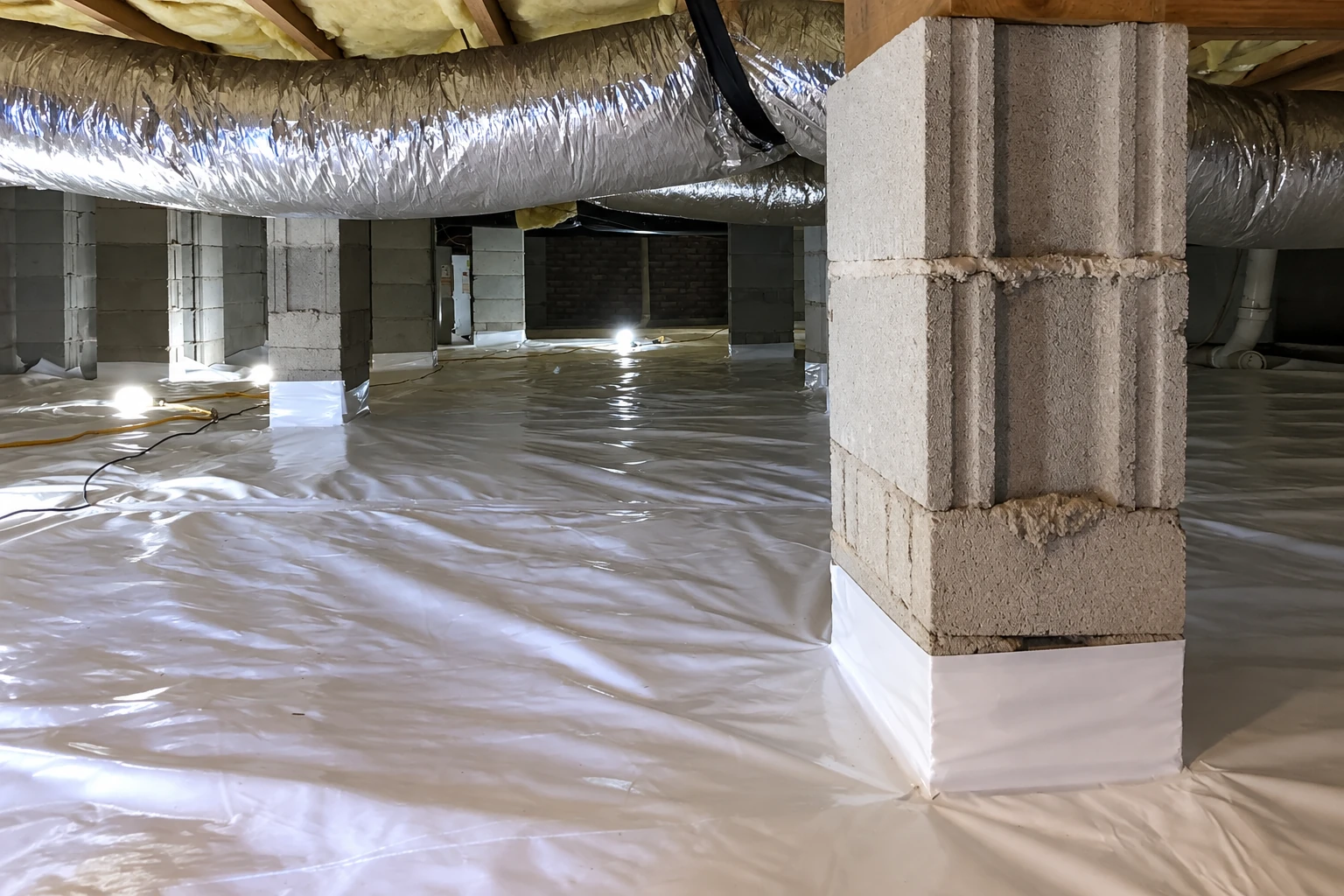
Under the house is the other half of the job. A lot of homes here sit on low ground near marsh and creeks, so crawl spaces can stay damp after a heavy rain, and that's what I check before we talk about insulating anything.
We reply to every call and form within one business day. I'll set a time to come out to your house in Mount Pleasant, look at the attic and crawl space, and write the estimate out step by step so you can see what goes where. It's free, with no pressure and no obligation.
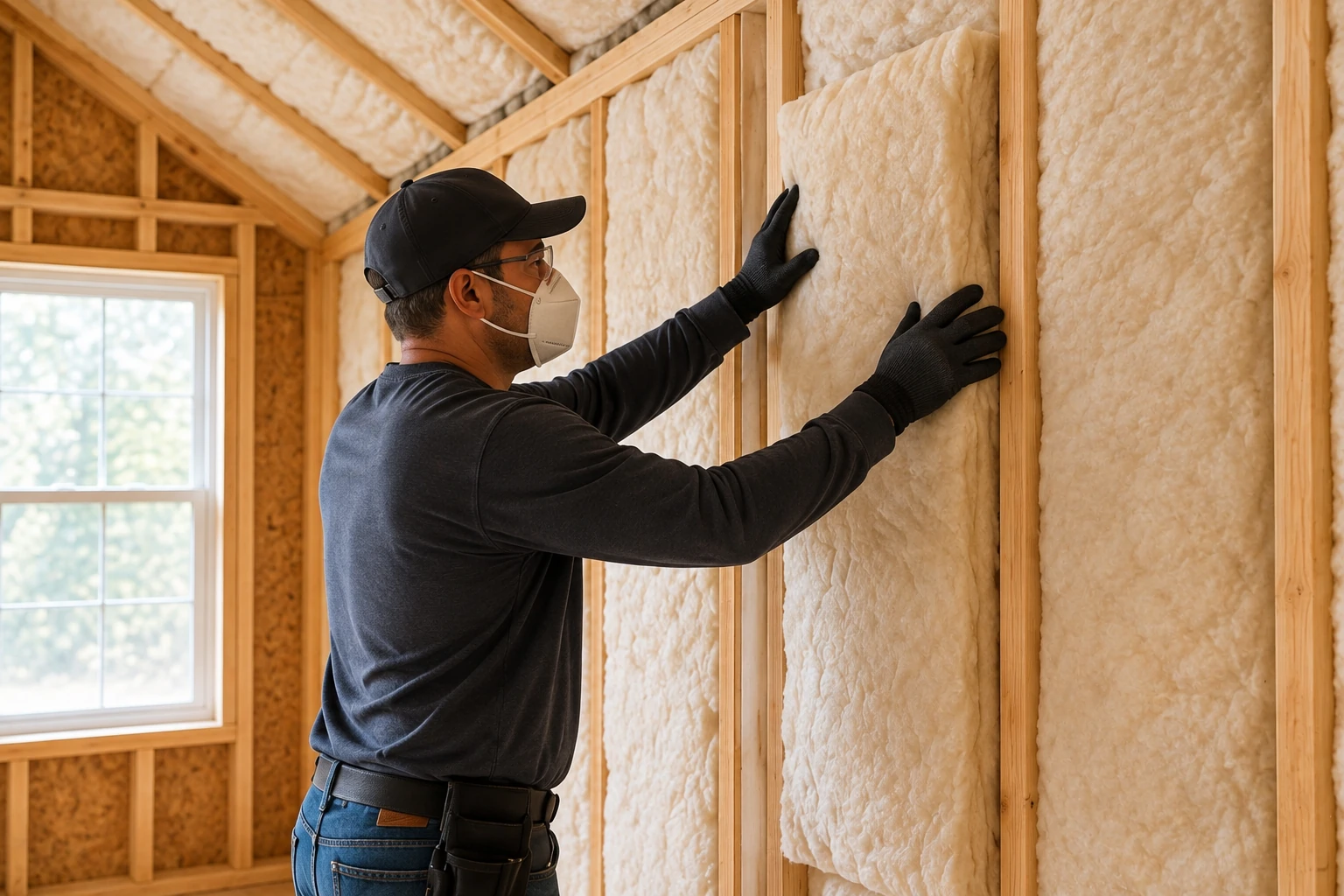
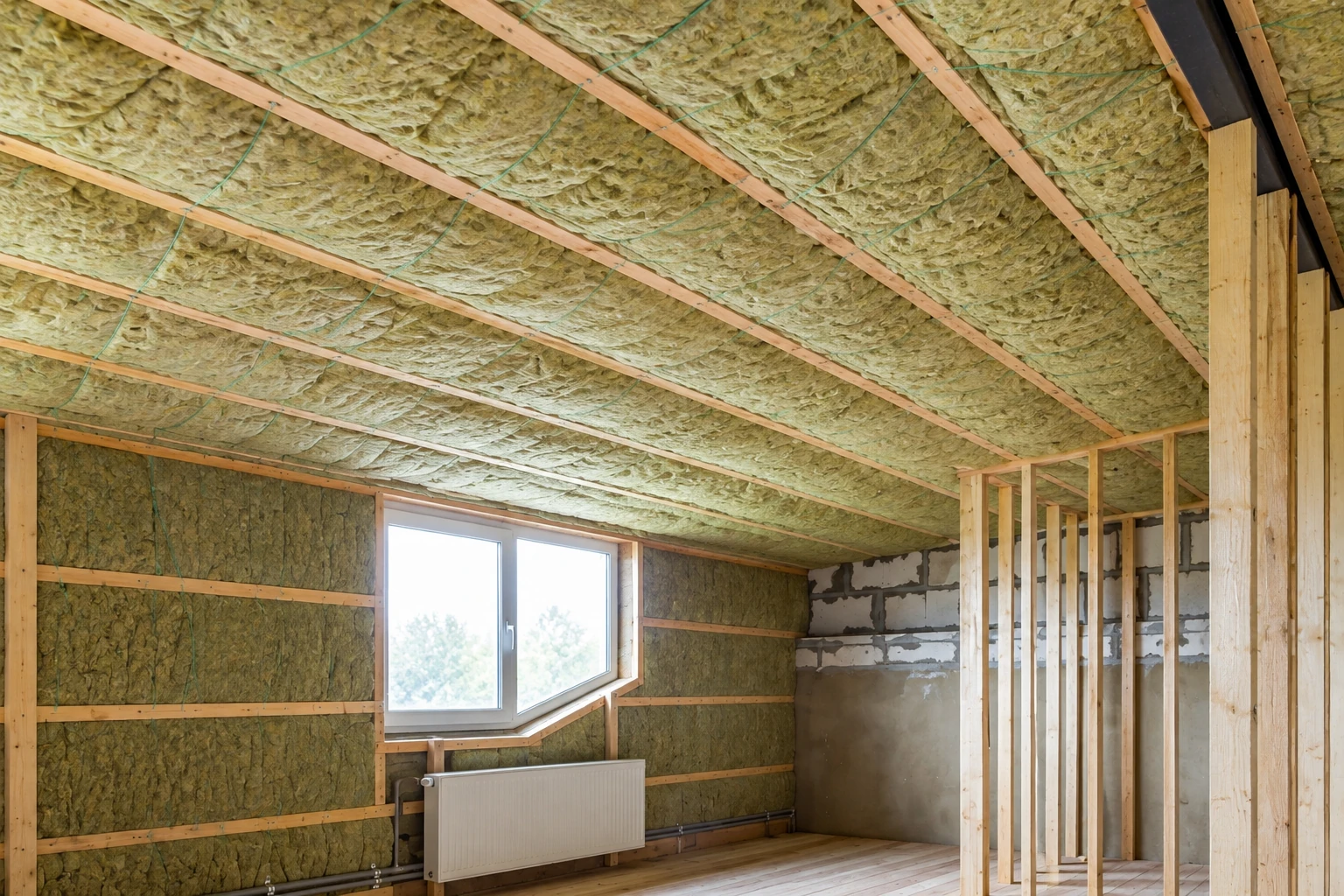
(843) 278-0240Most of our Mount Pleasant work is in the attic, starting with air sealing, which means closing the gaps around lights, pipes and the hatch, and then adding blown-in insulation, loose fill blown through a hose, so the edges get as much as the middle. When the old material up there is soaked or full of droppings, we start with insulation removal, because new insulation laid over it keeps the problem. Under the house we put down a crawl space vapor barrier and insulate the floor, and we use spray foam where the ductwork lives in the attic.
The Town of Mount Pleasant issues permits for work here, and its front office staff handles trade permits for electrical, gas, mechanical and plumbing work, which on our jobs can mean moving ductwork. The Town usually issues a trade permit that goes with a main building permit the same day, so the bigger schedule question is historic review, which the FAQ below covers. Any contractor working in the Town needs a Town business license as well as a state license, so those are the two things to ask anyone you're thinking of hiring. Before we start, I find out which office covers your address and what it asks for, and we take care of any permit your job needs.
The price comes down to what's up there now, meaning the size of the attic, how many inches are already down, whether old insulation has to come out, how many gaps need sealing and how hard the space is to reach. The schedule turns on the same things, and I write the estimate out step by step so you can see each part. Mount Pleasant is a regular drive for us from North Charleston, and the two-story houses with a room over the garage that we work on here look a lot like the ones we see in Summerville.
I come out to every job, go up in the attic or under the house and write the estimate myself. It's laid out step by step, so you see what comes out, what gets sealed and what goes in before you decide anything.
I spent years as an HVAC tech in attics, and the real problem was usually the leaks around the equipment. So we seal gaps and deal with damp spots first, because insulation over them just hides the trouble. If a job can wait, I'll tell you.
We're licensed and fully insured, and our installers work with me or a lead installer on site, so someone who knows the plan is there. Satisfaction guaranteed. Call (843) 278-0240 or use the form above to set up a visit.
Your price comes from what I find in your attic, so I give it after I've been up there. The biggest choice is foam or loose fill. Spray foam costs more and seals air while it insulates, but sealing the gaps and topping up the loose fill usually does the job for less, unless your ductwork runs through the attic.
For blown-in insulation and air sealing you can usually stay home, but with spray foam you, the kids and the pets stay out until the foam maker's re-entry time is up, which is when it's safe to come back inside. How long we're up there depends on the size of the attic and whether old insulation comes out first, and I'll go over the schedule with you at the estimate.
It might, so we check what yours needs before we start. Under the Town's rules, work valued at $1,000 or less in material and labor doesn't need a building permit unless it needs an inspection, and where no building permit is needed, site plan approval from the Town's planning department still applies. If the job touches ductwork or other mechanical parts, the Town issues a trade permit for that part.
Yes, South Carolina requires a current state license or registration for residential building and specialty contracting. You can look up any contractor with the state's licensing department, and that's worth doing before you sign. Ask to see ours when I come out.
If your house is in the Old Village, it may be inside the Town's local historic district, which covers part of that neighborhood. There, the Historic District Preservation Commission reviews every exterior change, and its approval comes before the work. Attic and crawl space work happens inside, but if a job means drilling the siding to fill the walls, we plan for that review first.
The one we plan around is the Town's design flood elevation, the flood height it has homes built for, which its newer flood maps raised. The Town names two kinds of flooding here, water from drainage that's blocked or too small and storm surge from tropical storms and hurricanes, and a low crawl space can see both. So under the house we deal with damp first and can use closed-cell foam, a dense foam that blocks moisture, instead of material that holds water.