
Sealing and topping up the attic
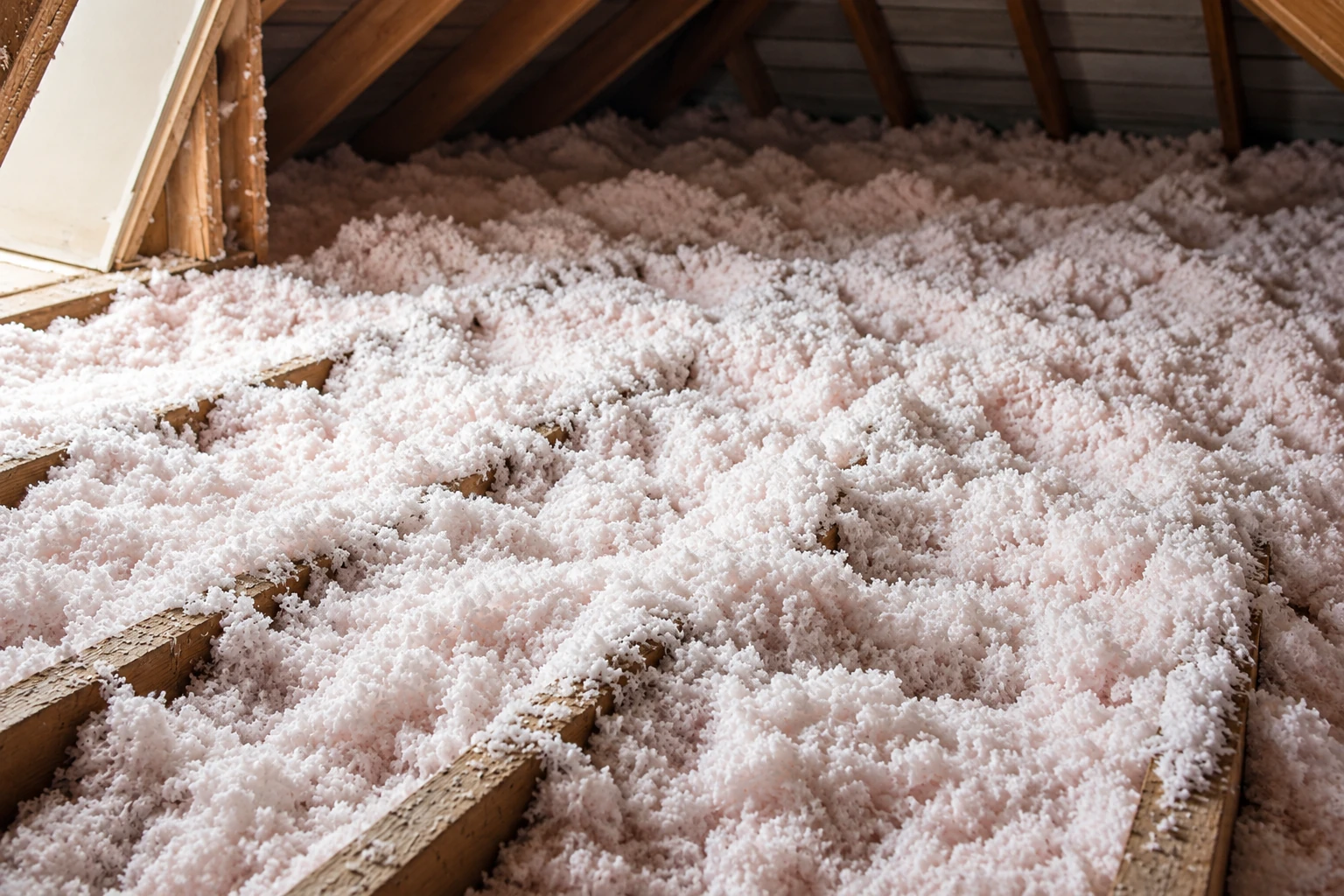
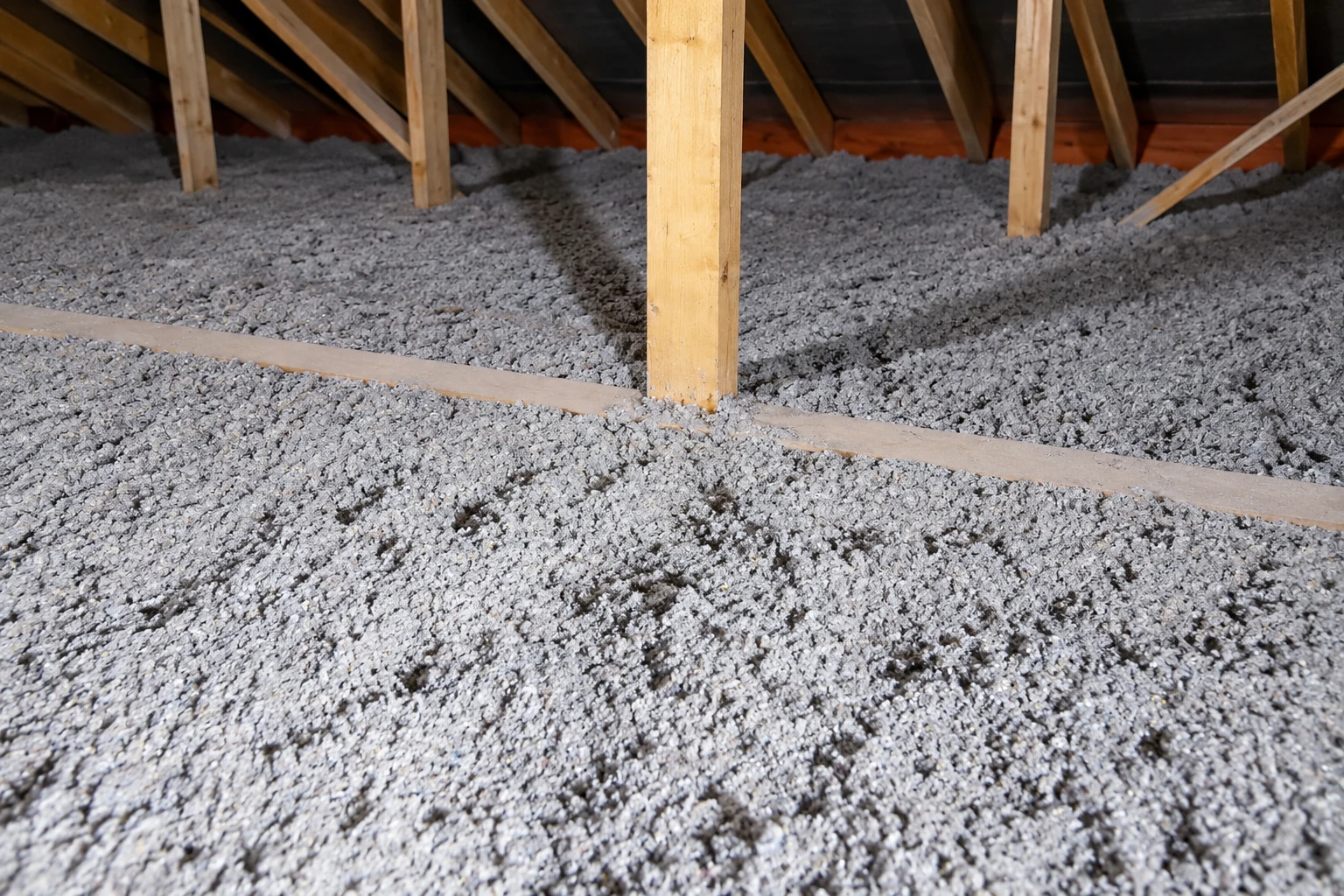
This suits most older houses with a few inches of settled fill and no ducts in the attic. We seal the gaps first, then blow new fill over what's there if it's dry and clean, or after it comes out if it isn't.
Hot upstairs, drafty rooms and a power bill that keeps climbing? We fix what's wrong in the attic and walls first, then insulate.
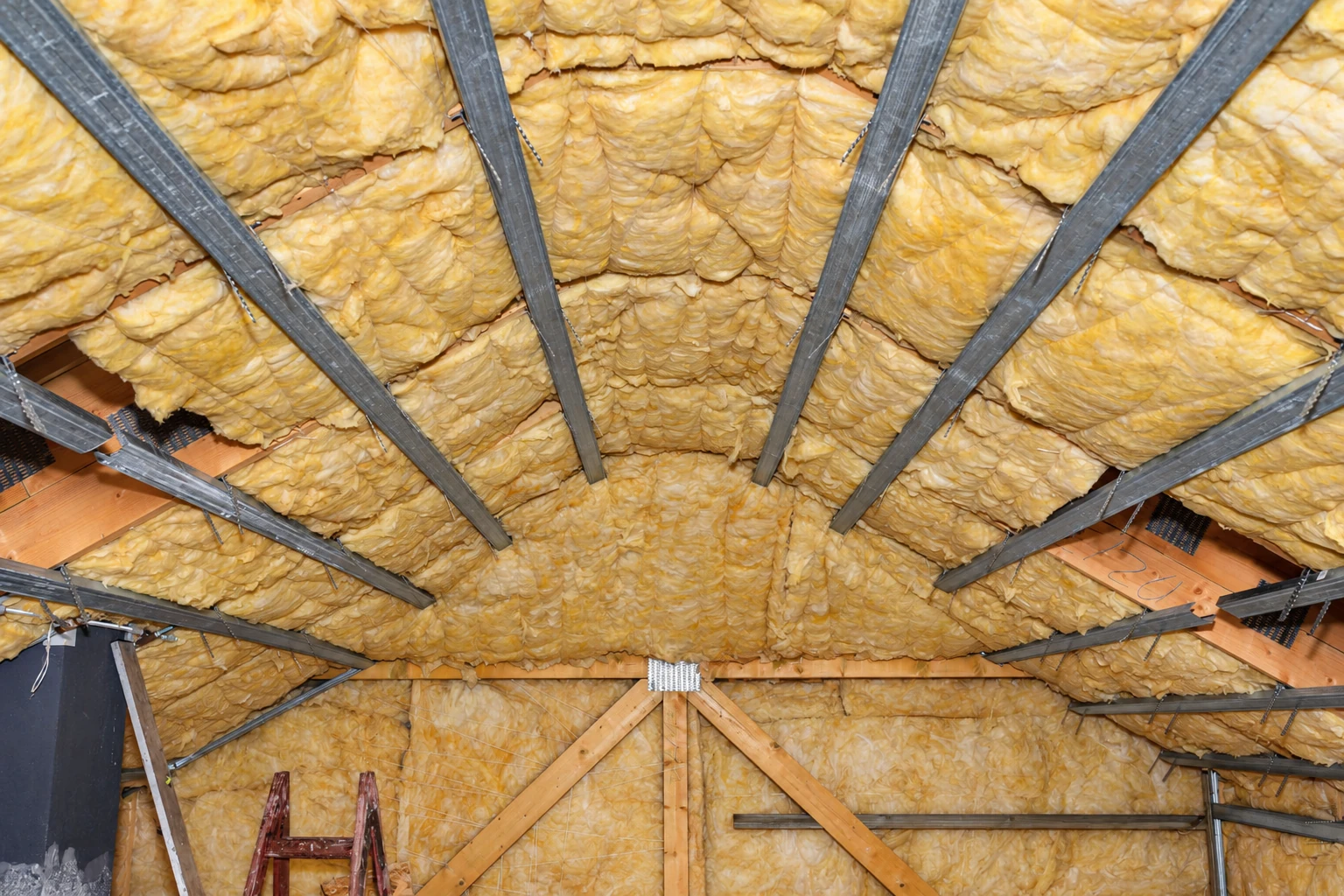
Retrofit insulation adds insulation to the attic or exterior walls of a house that's already built, and in North Charleston we do it in stages so your rooms hold their temperature and nothing gets buried that should have been fixed first.
Most calls for this start with a hot room over the garage, cold floors in winter or an attic with a few inches of old, flattened fill. The price turns on how much has to happen before any new insulation goes in, such as repairs, sealing, pulling out old material and whether the walls get filled too, and the schedule turns on the same things plus any electrician or roofer who has to finish first. I write the estimate out step by step after I've been up there, so you can see what each stage covers before you decide.
I come out to every house, go up into the attic and write the estimate myself, so the person pricing your job is the one who has seen it. When the work starts, our installers do it with me or a lead installer on site.
Before starting this business in 2023, I spent years as an HVAC service tech working on equipment in attics and crawl spaces. Over and over, the bigger problem was the leaks and thin insulation around that equipment, which is why I learned this side properly.
We're licensed and fully insured, and our crew works in your attic, around your wiring and above your ceilings with that cover in place. If you'd like to see the paperwork before we start, ask when I'm out to look at the job.
If your attic is in decent shape, I'd rather say so than sell you work your house won't use. Satisfaction guaranteed. To get started, call (843) 278-0240 or fill out the form below and tell us a little about the house.
Call (843) 278-0240, email sales@northcharlestoninsulation.com or send the form, and we'll reply within one business day to set up a free on-site estimate with no obligation. I'll come look at the attic and walls myself, then write the estimate out step by step so you can see what goes where. If you know the house was built before 1980, has knob and tube wiring or is getting new siding soon, mention it in your note.
North Charleston's city code says anyone who will erect, construct, add to, alter, demolish or move any structure needs the proper permits first. Whether an insulation-only job falls under that isn't something I'd guess at, and because North Charleston spreads across Charleston, Berkeley and Dorchester Counties, we find out which city or county office covers your address, check what it asks for and take care of any permit your job needs before we start. If you'd like to ask yourself, the city's permit office takes questions at 843-740-2562, 2564 and 2569.
Most of the retrofit calls we get here come from older houses with settled fill, ductwork running through a hot attic and a room over the garage nobody wants to sit in by July. We're based in North Charleston and do the same work in the cities around it, including Hanahan and Goose Creek. If your city isn't on our list, call and ask.
The attic gets inspected first for water leaks, moisture, structural or pest damage and enough ventilation, such as ridge or soffit vents, and you get a list of every repair it needs. Those repairs are the first stage of the job, so you can plan and budget for them ahead of the insulation. If the house has gas appliances that vent by natural draft, a combustion safety test checks that exhaust isn't backing up or spilling into the house, and anything it turns up gets fixed before the attic work.
Ask whether each quote includes sealing the gaps around light fixtures, the duct boots where vents meet the ceiling, wiring, pipes and flues with caulk, foam or rigid blocking before any insulation goes in. Fiberglass and other fibrous insulation don't stop air, so a quote that skips this leaves the new layer fighting a draft. Our estimates list the sealing as its own step.
Drill and fill is a common way that disturbs very little. Small holes go near the top of each wall cavity, from inside or outside, and the cavities are filled with blown-in insulation. If you're planning new siding, that's an ideal time to do it from the outside. In a house built before 1980, lead safety rules can come into play depending on how much of the wall gets disturbed, which is one reason I ask the age of the house.
Both are things we check for on every older house, and both get handled before new insulation goes in. The electrical code doesn't allow insulation around live knob and tube wiring, so insulation goes over it only after the wiring is replaced or properly boxed, which is the electrician step mentioned above. If the old insulation turns out to be vermiculite, a pebbly gray-brown fill, work stops there because it may contain asbestos.
South Carolina treats insulation installers as a residential specialty contractor trade, covering the installation, alteration and repair of insulation for temperature or sound control. That category applies when a job runs over five hundred dollars, so it's fair to ask anyone bidding on a job that size how they're licensed.
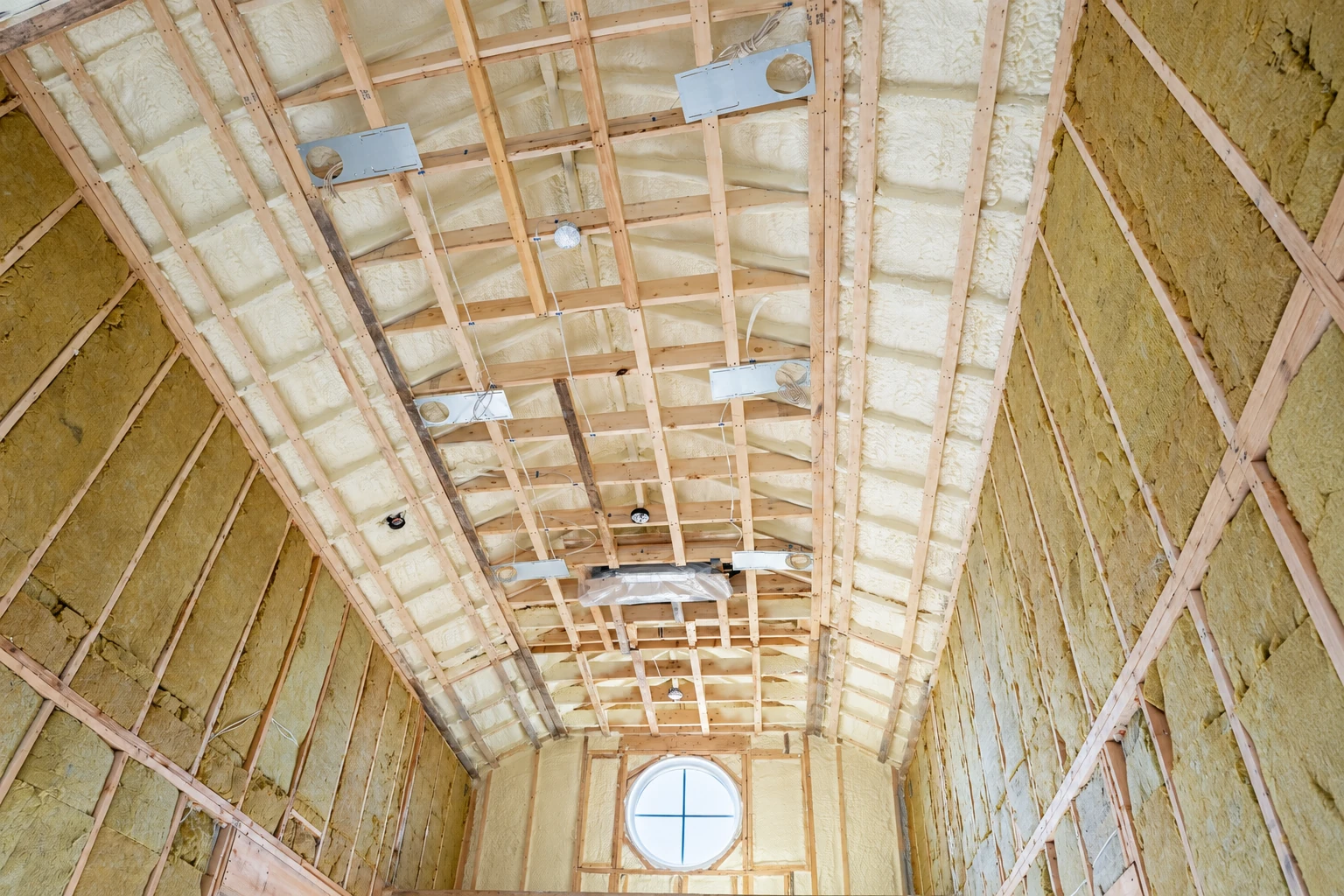
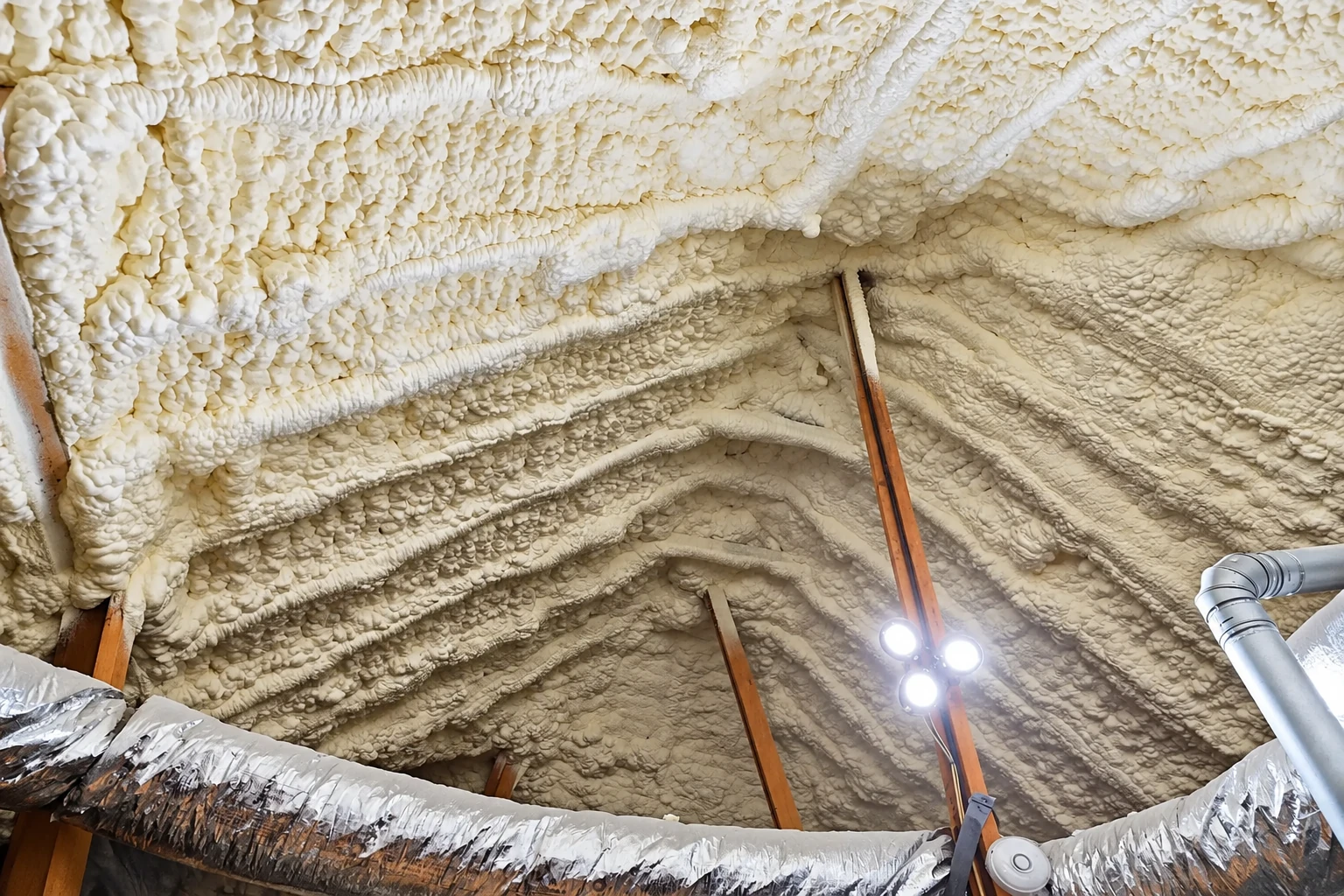
I can't give you a fair number until I've been in your attic, because the cost depends mostly on what has to happen before the insulation goes in. Repairs, old material that has to come out, how much sealing the house needs and whether the walls get filled all raise it, and choosing sealing plus loose fill over foam usually brings it down. Your estimate spells out each stage so you can see where the money goes.