
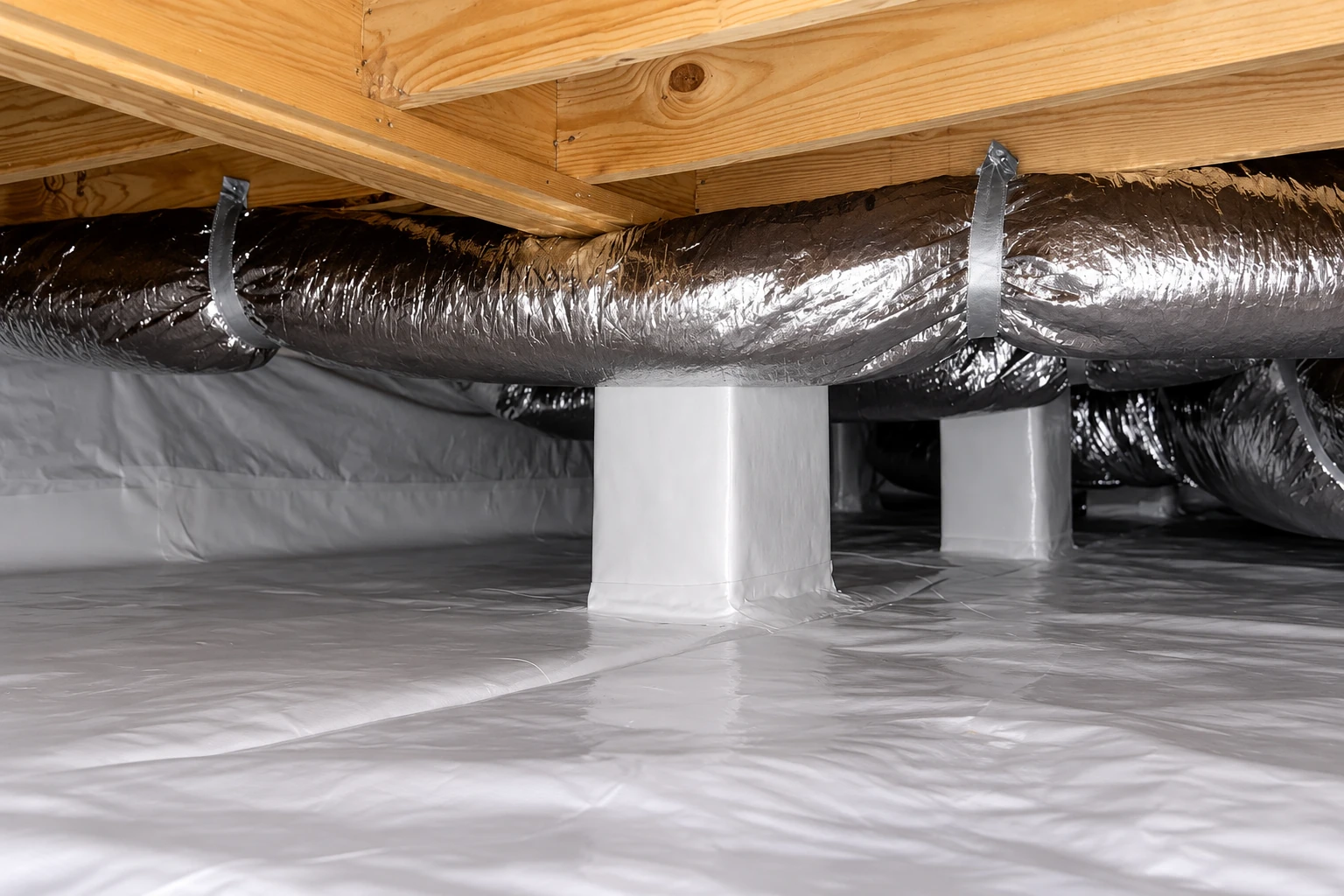
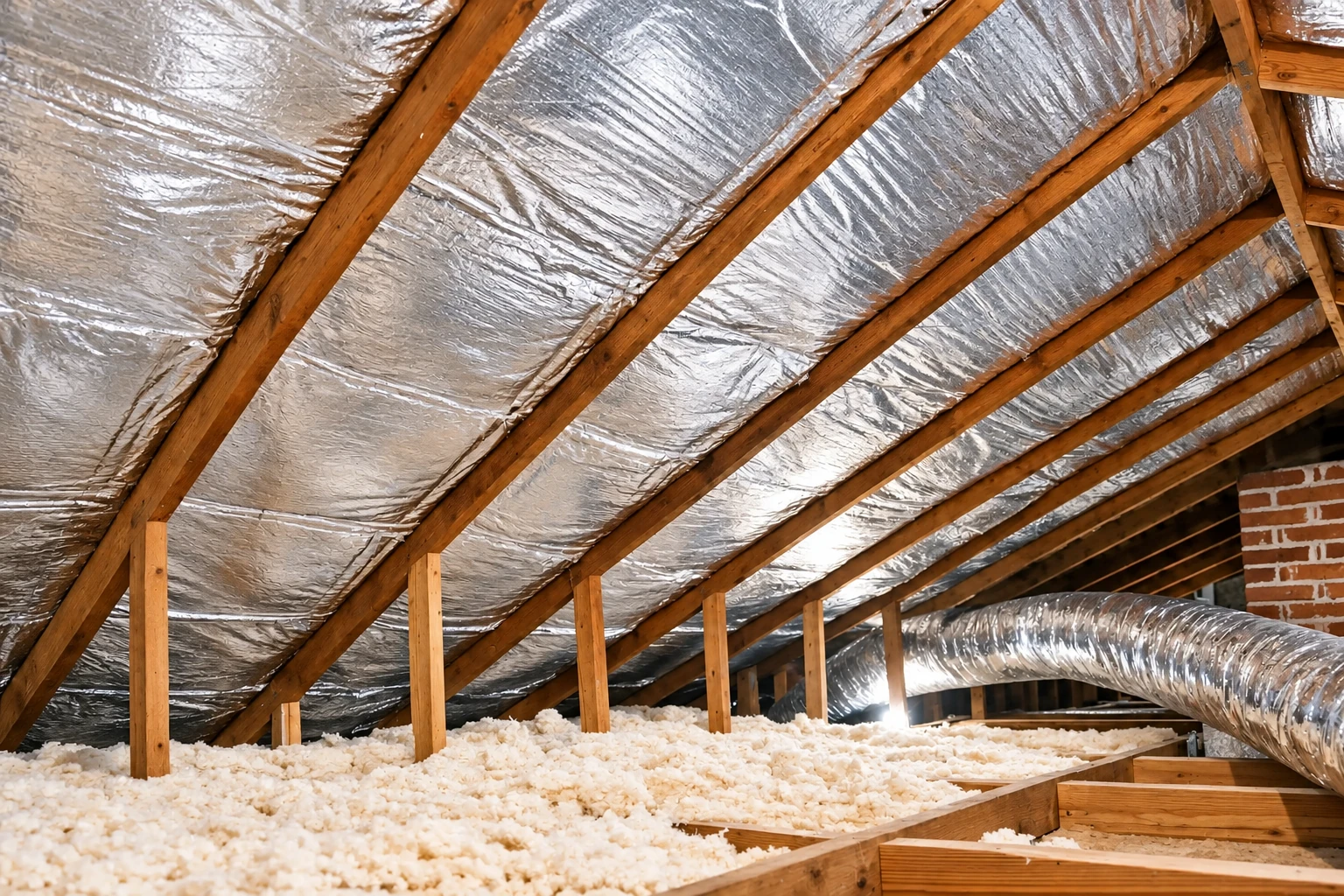
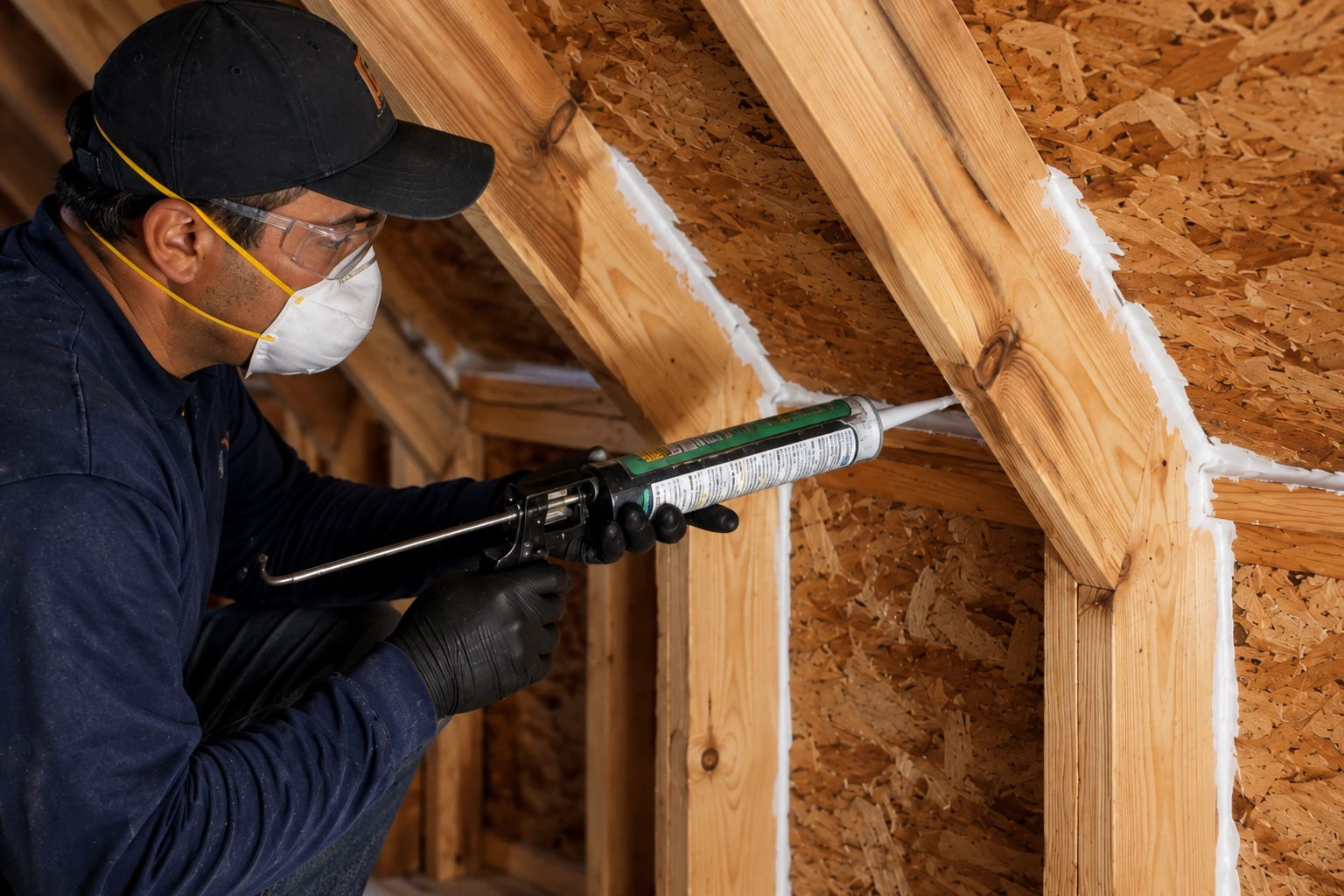
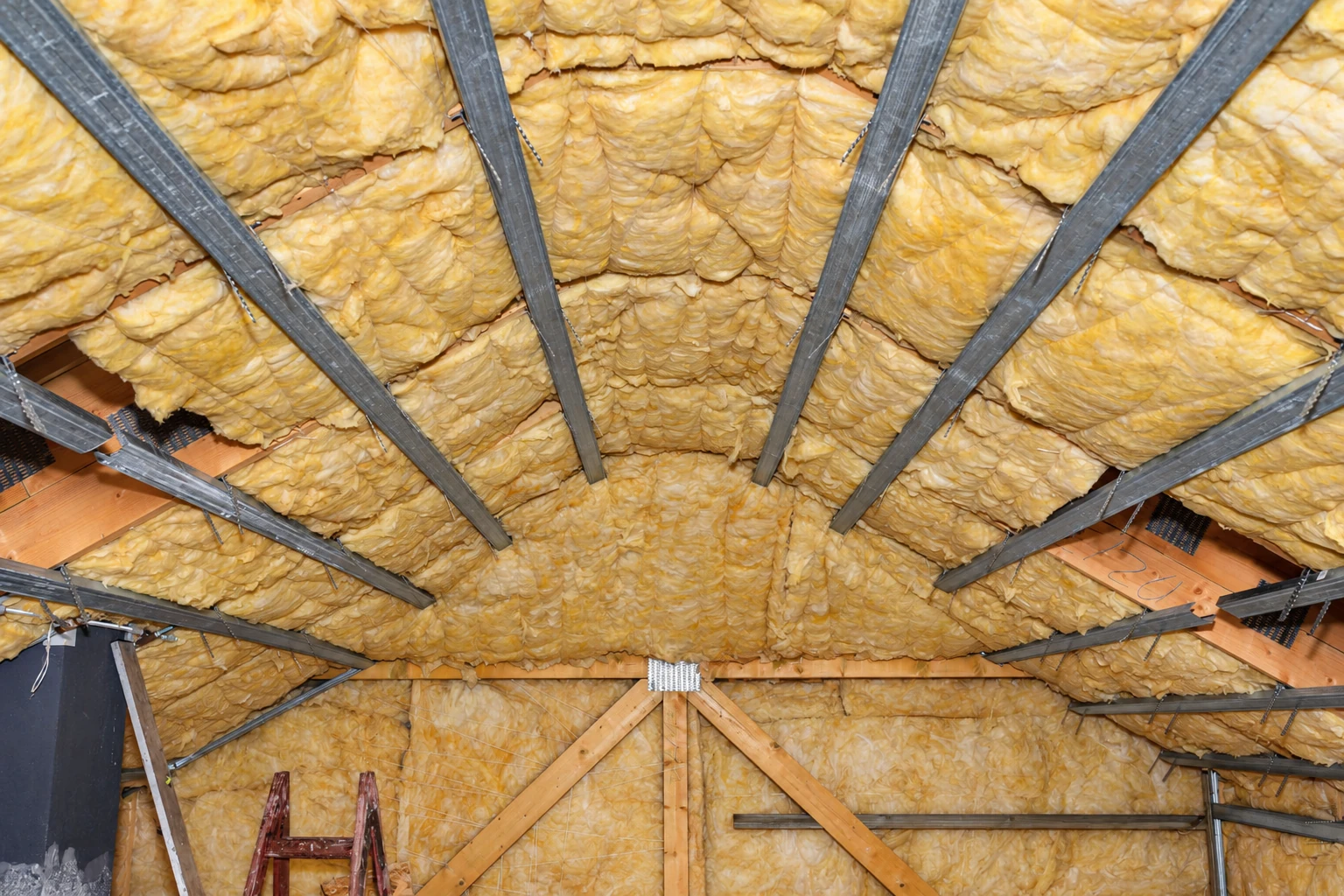
Ground liner only
This covers the dirt and nothing else, and it suits a crawl space that's dry at the walls and has no ductwork running through it. It's the lower-cost choice, and for a lot of the houses I look at, it's all the space needs.
Musty smell or damp dirt under the house? We fix any water first, then lay sealed plastic that keeps ground moisture down.
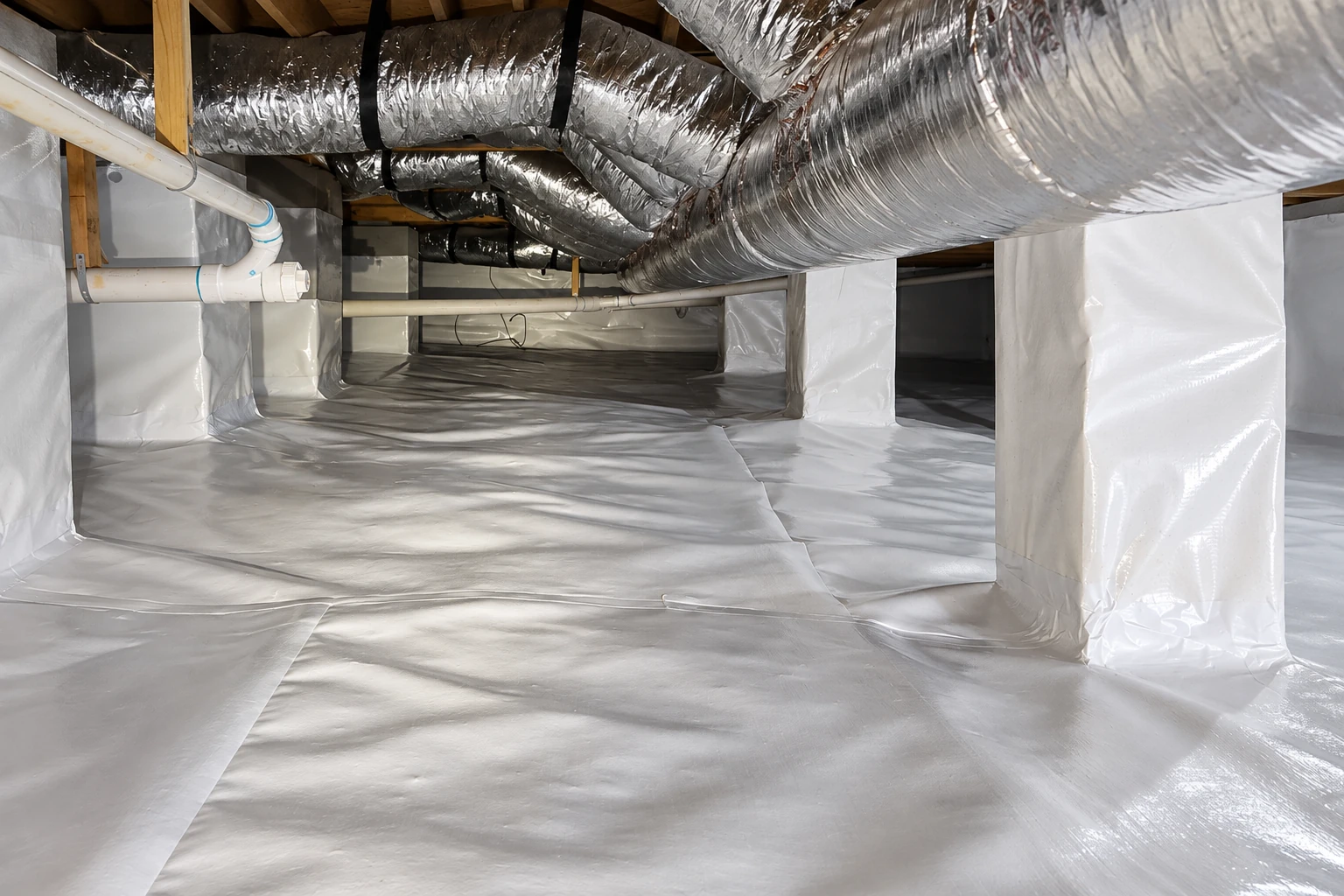
Vapor barrier installation in North Charleston covers the bare dirt in your crawl space with sealed plastic, so moisture from the ground stays in the ground instead of rising into the air under your floors.
Most calls start with a musty smell, damp dirt, sweating pipes or cold floors over the crawl space. The price mostly comes down to how big the space is, how hard it is to get through and whether anything has to be fixed before plastic goes down. That last part also sets the schedule, because a leak gets repaired first, and my written estimate lays out each step so you can see what goes where.
I come out to every job, go under the house and write the estimate myself. I write it out step by step, repairs first and plastic second, so you can see what goes where and decide what's worth doing now.
Our installers do the work with me or a lead installer on site, so someone who knows the plan is under the house while the plastic goes down. That's the person who checks the seams and edges before we clean up and leave.
I spent years as an HVAC service tech before starting this business in 2023, working on equipment in crawl spaces and attics. That's where I learned the bigger problem was usually the moisture and leaks around the equipment, so we deal with those first.
We're licensed and fully insured, which matters when a crew is working under your floors near pipes and wiring. Satisfaction guaranteed. When you're ready to have your crawl space looked at, call (843) 278-0240 or use our estimate request form.
We reply to every call and form within one business day, and the on-site estimate is free with no obligation. I come out, look under the house and write out each step so you can see what goes where. If you've seen standing water, know your flood zone or have an elevation certificate, mention it in the form.
The city's Building Department issues permits for residential renovation work, and city code calls for the proper permit before anyone alters or digs around a structure. That doesn't settle on its own whether a liner job needs a permit, so we find out which office covers your address, check what it asks for and take care of any permit your job needs before we start. Most of the crawl spaces we see here sit under older houses, and we do the same work from our base in North Charleston across the cities around it, including Hanahan and Goose Creek. If your city isn't listed, call and ask.
North Charleston regulates building in the flood hazard areas FEMA has mapped, and Charleston County names storm surge from Atlantic hurricanes as the biggest flood threat here. A home in a flood zone may be required to have flood vents, openings in the foundation that let floodwater pass through, and where a sealed crawl space needs them, national guidance favors a model that lets in as little air as possible. The city's Flood Plain Managers can explain required elevations and give you copies of your elevation certificate and flood insurance information.
A basic vapor barrier with a ground liner only usually costs about $1,200 to $3,800 per job in South Carolina. That's the going rate across the state, not our price, and it doesn't cover water repairs or fuller work like wall liners and a dehumidifier. Your own figure comes from the written estimate after I've seen the space.
It usually comes from a leaking pipe or from groundwater. Either way, the water has to come out and its source has to be found and repaired before a liner goes down, or the plastic just sits on top of the problem. If it's a plumbing leak, that repair comes first and sets when we can start.
Start with the plastic. Extension guidance calls for plastic at least 6 mil thick over the soil, overlapped and run part way up the wall, so a quote for anything thinner is worth asking about. Then ask each crew how it seals the seams, because gaps and open seams let ground moisture through and push the humidity back up.
When a humidity reading in the crawl space is over 50%, a dehumidifier is worth considering. You can check it yourself with a moisture meter or a humidistat, a simple humidity gauge. That reading helps decide between a liner alone and fuller moisture work.
Laying the liner is usually the shorter part of the job. The schedule mostly turns on any repairs that come first, how big the crawl space is and how easy it is to get through, and I'll tell you what I expect once I've been under the house. You don't usually need to leave home, since the crew works under the house.