
B&C North Charleston InsulationB&C North Charleston InsulationRequest an estimate(843) 278-0240

Home insulation in North Charleston SC - an upstairs that stays comfortable

Hot upstairs, drafty rooms or a power bill that keeps climbing? We find where the heat gets in and fix it in order.

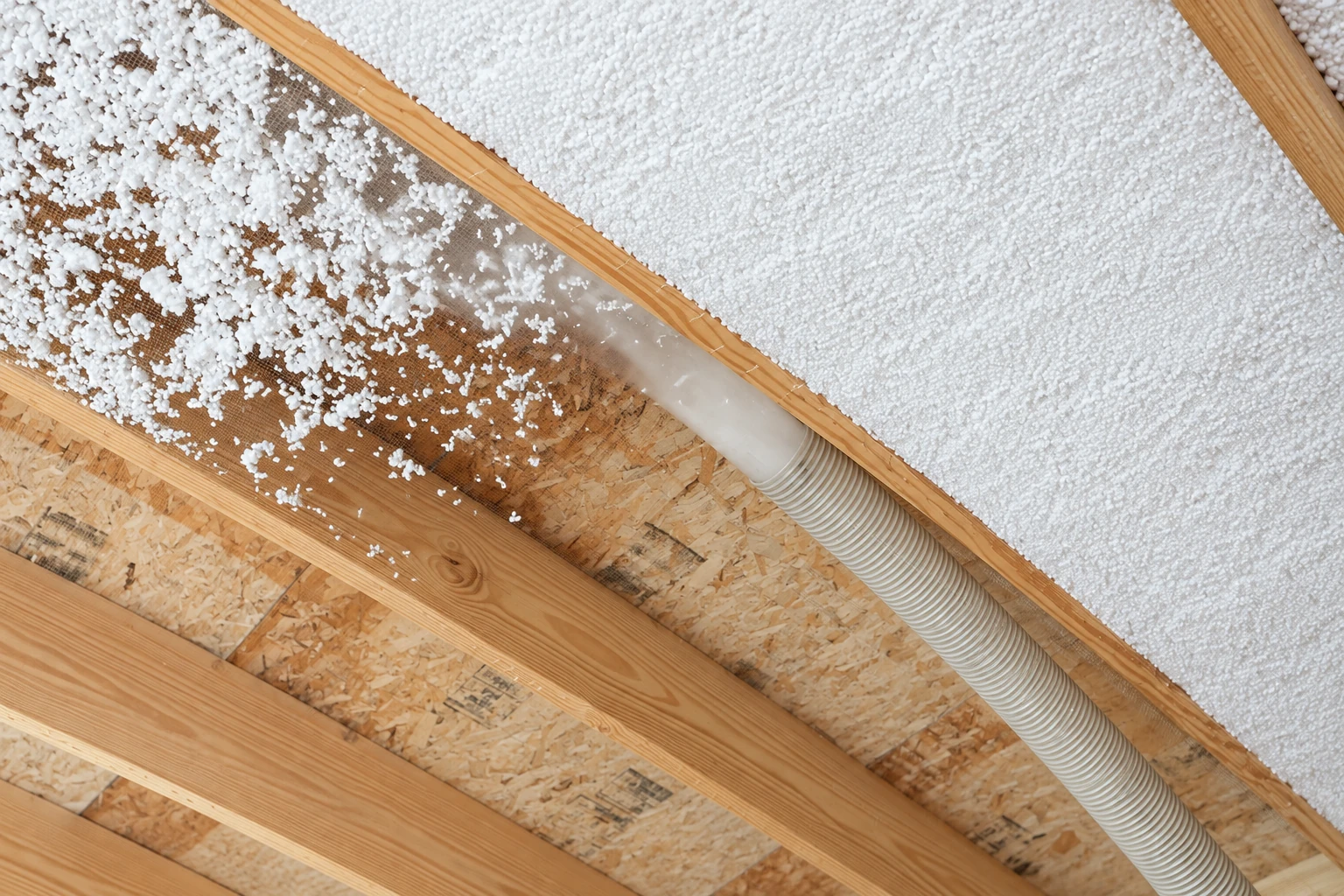
White loose-fill insulation is blown between wooden roof joists through a flexible hose.

Where should you start when your whole house needs insulation?

Home insulation in North Charleston is the work of adding, fixing or replacing the insulation in your attic, walls and crawl space so your house holds its temperature and keeps out noise, and it works best when it's done in the right order.

If the upstairs runs hot, the floors feel cold or the room over the garage never settles, the trouble usually sits in one or two places, and the attic is the most common one, which is why attic insulation is where a lot of our jobs start. The price mostly turns on how big the space is and how easy it is to reach, whether old insulation has to come out first, how many gaps need sealing and whether you go with loose fill or foam. The schedule turns on those same things, plus any permit check and, with foam, how long you have to stay out of the house afterward. My estimate lays out each step for your house so you can see what goes where and what it costs.

How our home insulation work goes, step by step

When you're not sure where to start, I look at the whole house, from the attic down to the crawl space, and tell you which part to tackle first and why. In the attic I check how many inches are already up there and whether any of it is wet or full of droppings, because new material laid over that just hides the problem. Then our crew does the air sealing, closing the gaps around pipes, wires and the hatch, so the new insulation isn't fighting a draft. We keep the eave vents clear so the attic can still breathe, and we spread the insulation as deep at the edges as in the middle, where it usually runs thin.

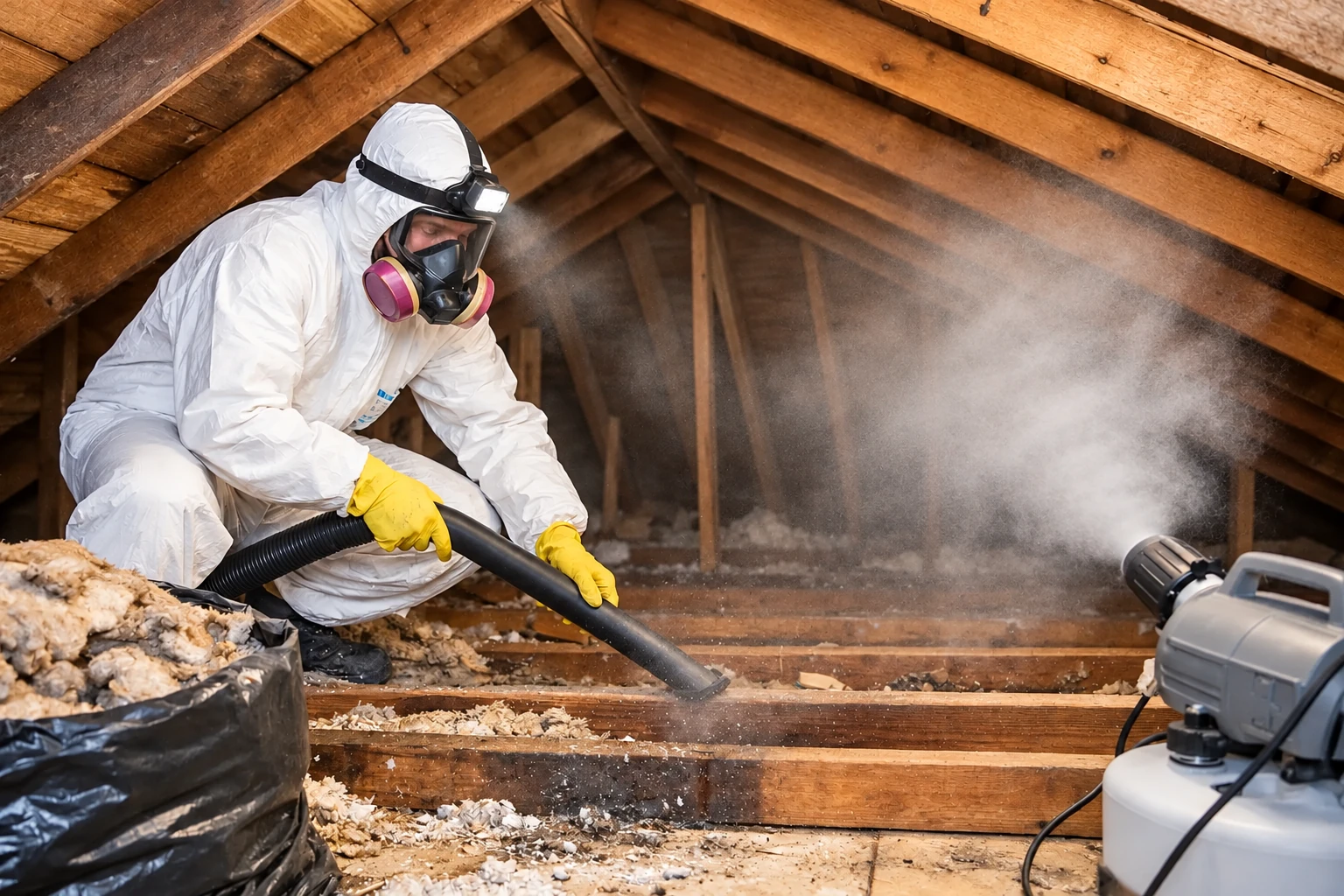
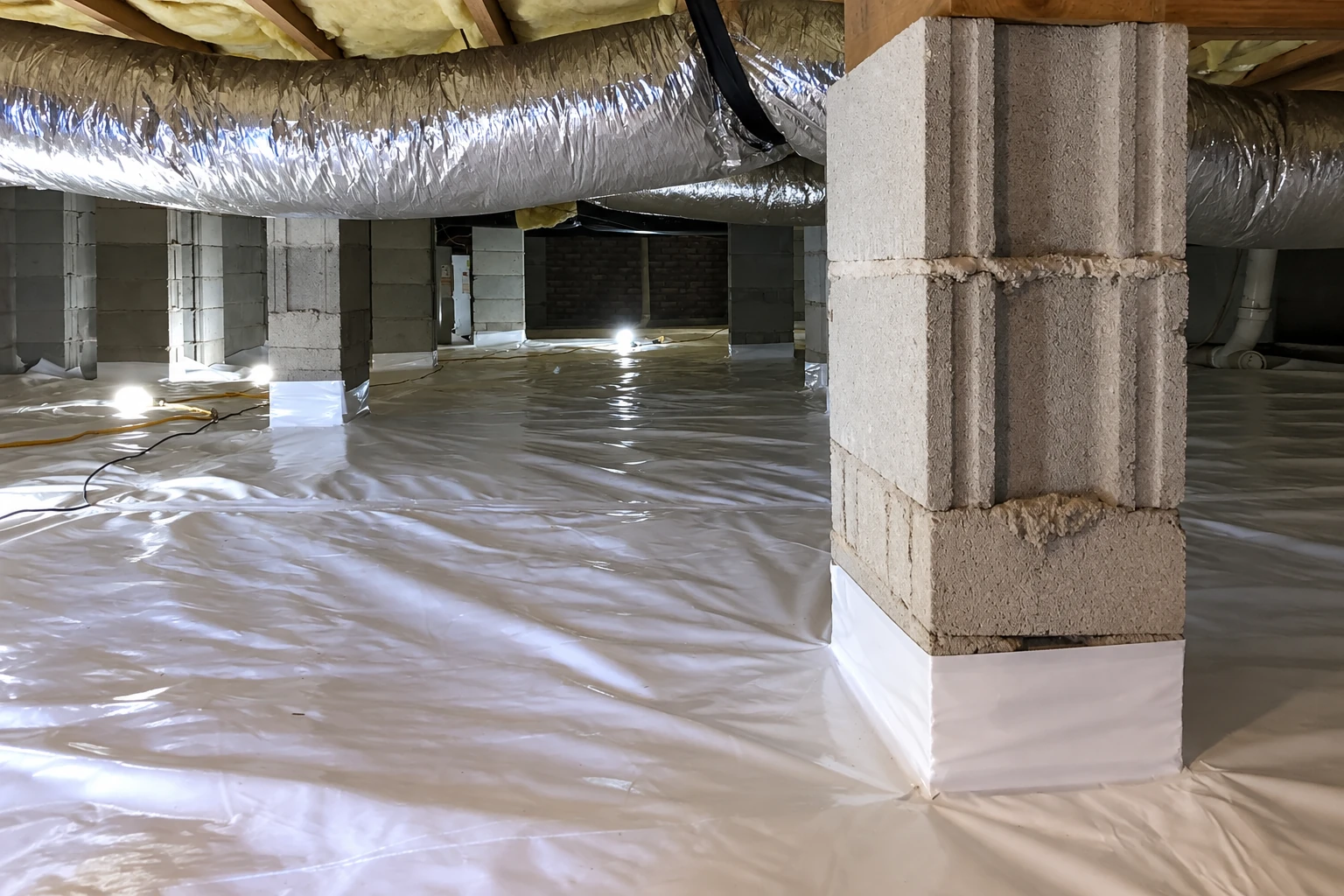
Sometimes the right first step isn't adding anything. If the old insulation is soaked or full of droppings, we do insulation removal first so the new layer starts on a clean, dry surface. And if your complaint is cold floors, the work may belong under the house with crawl space insulation before we ever go up the attic ladder.

Air sealing with a blown-in top-up

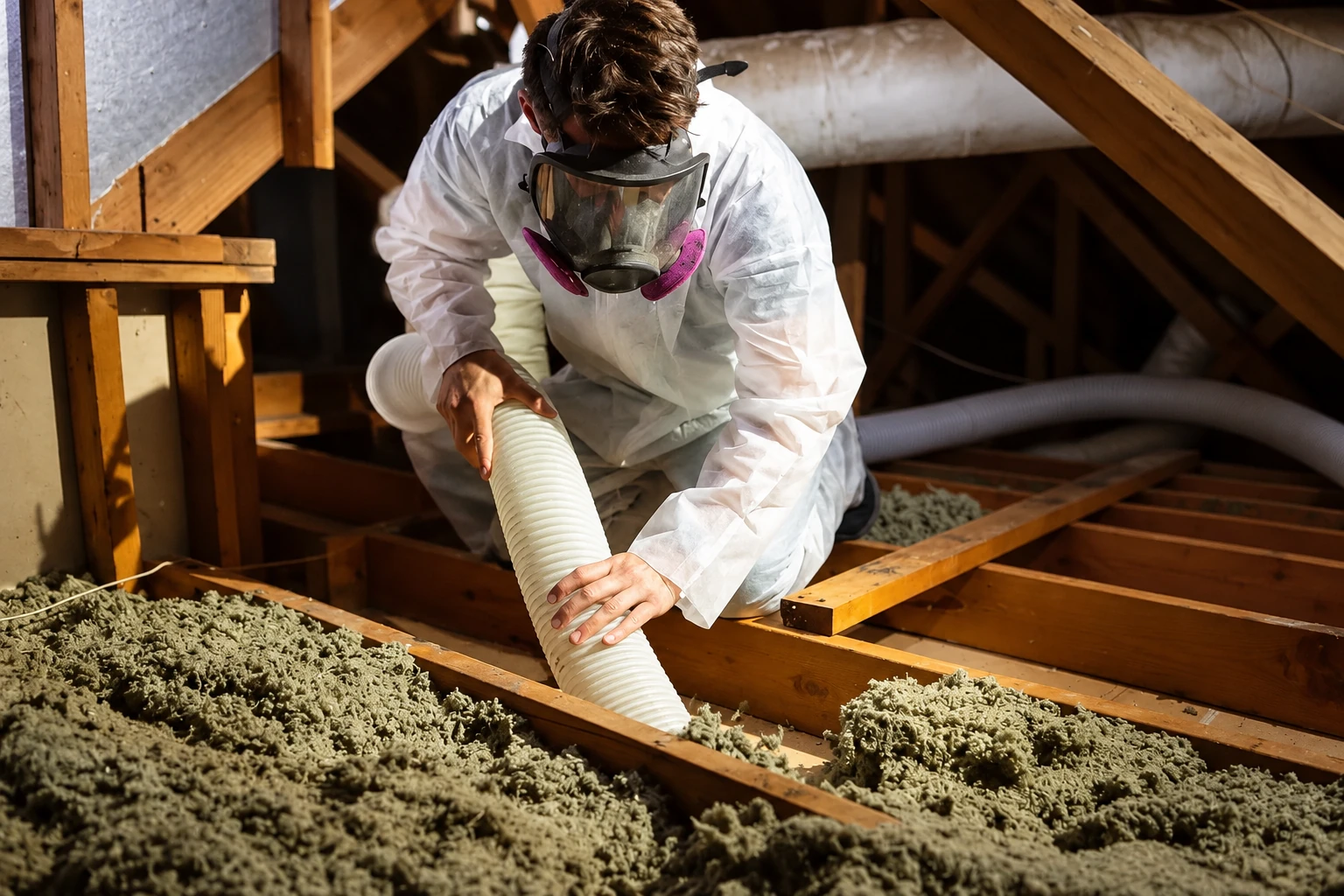
This suits most attics where the old insulation is dry and clean, because sealing the gaps and topping up with blown-in fill, loose insulation blown through a hose, fixes the usual problems for less money. It's where I lean for most houses unless the ductwork runs through the attic.

Spray foam under the roof deck

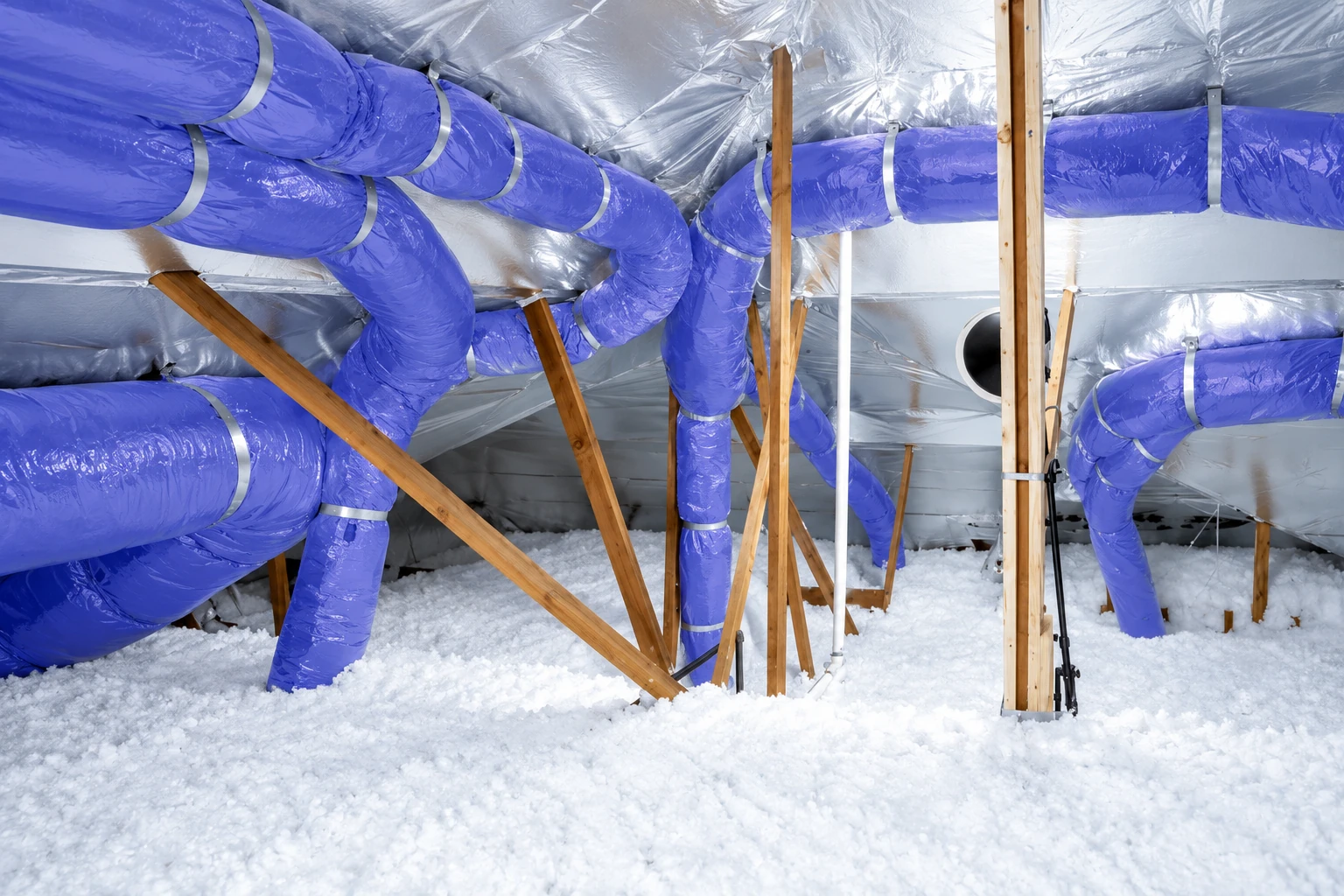
Foam costs more, but it seals air while it insulates, so it earns its price when your ductwork and air handler live in the attic and you want them inside the cooler space. I'll go over which kind of foam fits your house before you decide.

Why North Charleston homeowners call B&C North Charleston Insulation

I come out and write every estimate

I look at every job myself and write the estimate out step by step, so you can see what goes where before you decide anything. Our installers do the work with me or a lead installer on site, so someone who knows the plan is always in your house.

From HVAC service tech to insulation

I spent years as an HVAC service tech before switching to insulation and starting this business in 2023. Working on equipment in attics and crawl spaces, I kept finding that the bigger problem was the leaks and thin insulation around it, so that's where I look first.

Licensed and fully insured on every job

We're licensed and fully insured, which matters when a crew is working over your ceilings, around your wiring and next to your ductwork. If you'd like to see the paperwork before anyone climbs into your attic, ask when I come out to look at the house.

Told plainly when a job can wait

If your attic is in decent shape and the trouble is somewhere else, I'll tell you, because I'd rather do that than sell you work your house won't use. Satisfaction guaranteed. To set up a visit, call (843) 278-0240 or fill out the form on this page.

Get a step-by-step plan for insulating your house

We reply to every call and form within one business day. I'll come out, look over the house and write you a free on-site estimate, with no pressure and no obligation. It helps if you can tell us where your attic access is, whether you have recessed lights and about any past roof leaks.

Location
North Charleston, SC 29418
Hours
Mon–Sun: 8 AM–9 PM

Home insulation permits and houses in North Charleston

North Charleston's city code requires proper permits before anyone builds, adds to, alters, demolishes or moves a structure, and that list doesn't single out insulation, so whether your job needs a permit isn't settled until someone checks. The city also stretches across parts of Charleston, Berkeley and Dorchester counties, so we find out which office covers your address, check what it asks for and take care of any permit your job needs before we start. If you'd like to ask yourself, the city's permit office takes questions at 843-740-2562, 2564 or 2569.

Most of our calls here come from older houses, where we usually find thin, settled insulation, ductwork running through a hot attic and a room over the garage that never cools down. We're based in North Charleston and do the same work across the cities around it, including Charleston and Summerville. If your city isn't listed, call and ask.

Questions homeowners ask about insulating their house

How much does attic insulation cost in the Charleston area?

Attic insulation in the Charleston area usually costs about $1,300 to $4,500 per job. That's the going rate around here, not our price, and where your attic lands depends on its size, how easy it is to get into, whether old insulation has to come out and which material you pick. Your own figure comes from the estimate once I've seen the space.

Is blown-in or batt insulation better for my attic?

For most attics, blown-in is the better pick. National guidance says loose fill of fiberglass, rock wool or cellulose is usually less expensive than batts and covers better, though installation costs vary, so a blown-in quote is a sensible place to start. The same guidance says the installer should staple rulers in several spots so you can see the depth is even. In a hot, sunny place like ours, a radiant barrier, a rolled foil that reflects heat, can also help keep the house cooler.

Should air leaks be sealed before adding insulation?

Yes, the leaks come first. National renovation guidance says air leaks should be found and sealed before any insulation goes in, the same order a contractor trained in whole-house building science follows. Recessed lights are part of that check, because only IC-rated fixtures, which are airtight and made to be covered, should sit under insulation.

What is the best way to choose between open-cell and closed-cell spray foam?

Choose by how the job needs to handle moisture. Closed-cell foam, the dense kind that blocks moisture, can serve as both the insulation and the vapor control layer, while open-cell foam lets vapor through and can't do that second job, so every foam quote should say which one it uses. Guidance on foam under the roof deck also notes that sealed, unvented attics hold up better in hurricanes than vented ones, mainly because their soffits are built sturdier.

Who can install insulation in South Carolina?

South Carolina's licensing agency counts insulation installers as residential specialty contractors when they're hired for jobs over $500. That trade covers insulation in the house itself, not exterior roofing materials such as foam or reflective coating applied to a roof.

How long will the crew be in my attic, and do we have to leave?

The time in your attic turns on its size, how much sealing it needs and whether old insulation comes out first, so I can only give you a fair answer once I've been up there. With blown-in fill, most families stay home while we work. Spray foam is different, and I'll tell you the re-entry time, when you, the kids and the pets can come back inside, from the foam maker's instructions before we start.

Call (843) 278-0240