
After closing or over a weekend
This suits shops and offices that close every evening or have a slow weekend. We come in after you lock up, and the space stays shut until it's ready to use, so your regular hours carry on as usual.
A sales floor the AC can't keep cool, a drafty office or a loud shared wall? We plan the work around hours you can close.
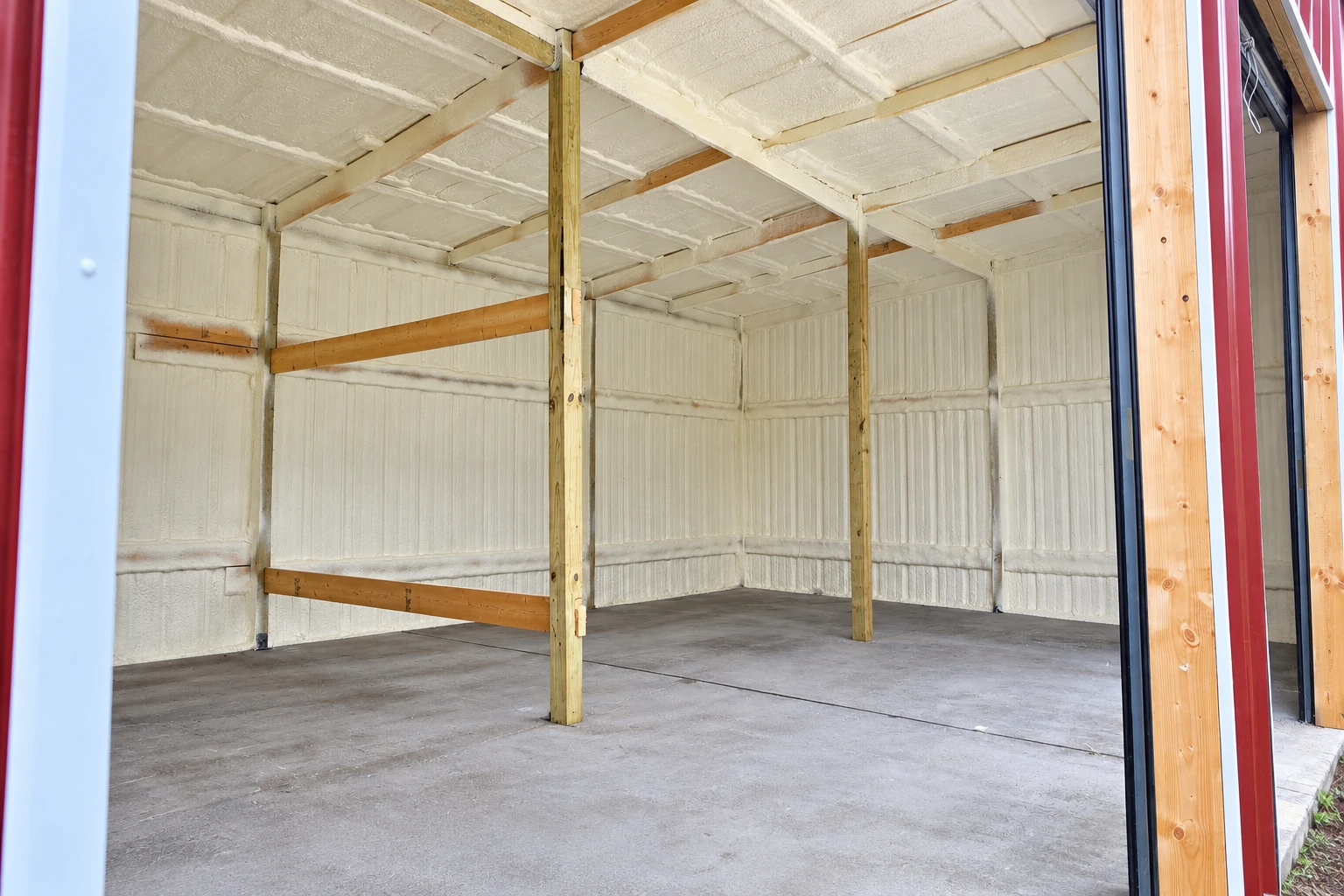
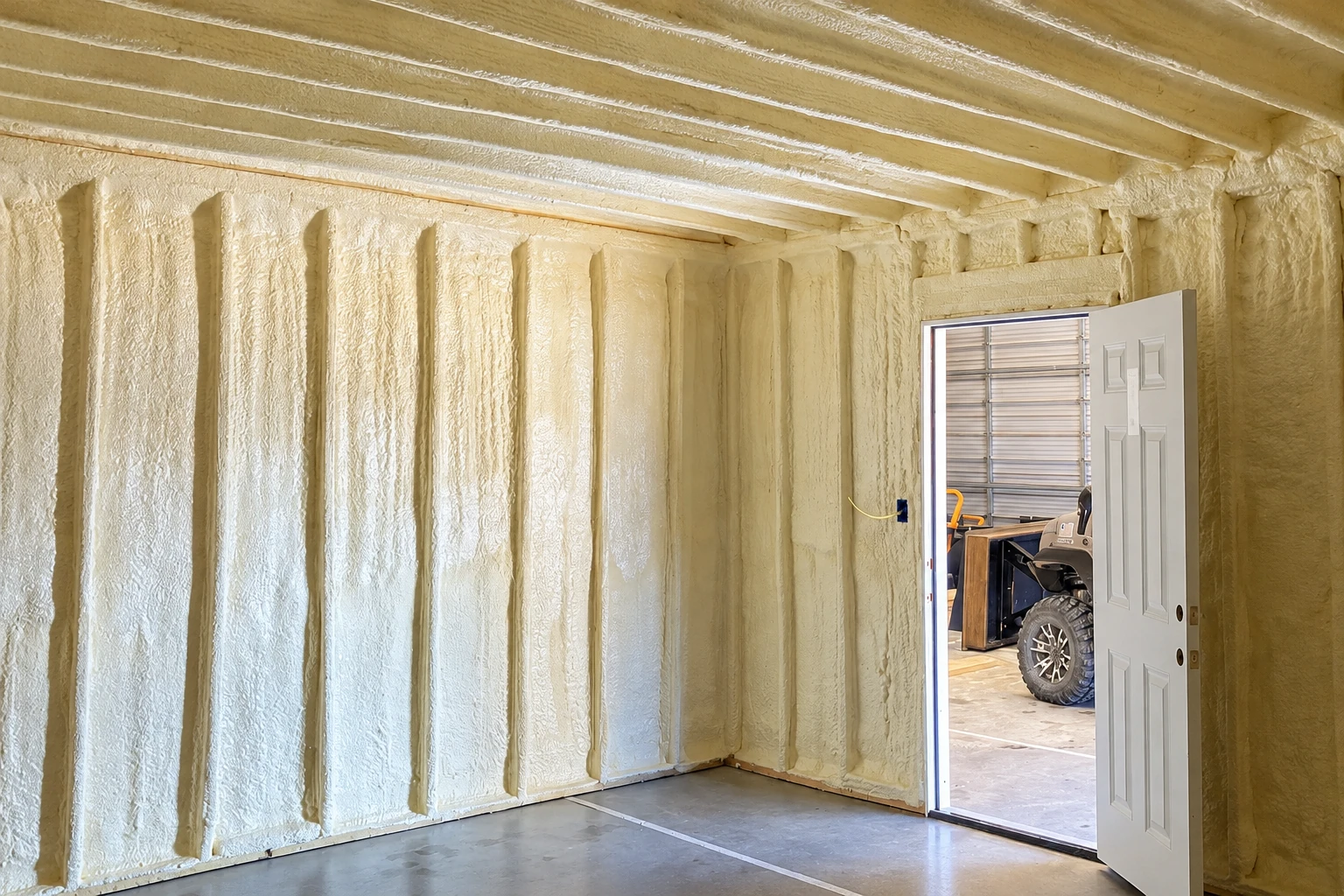
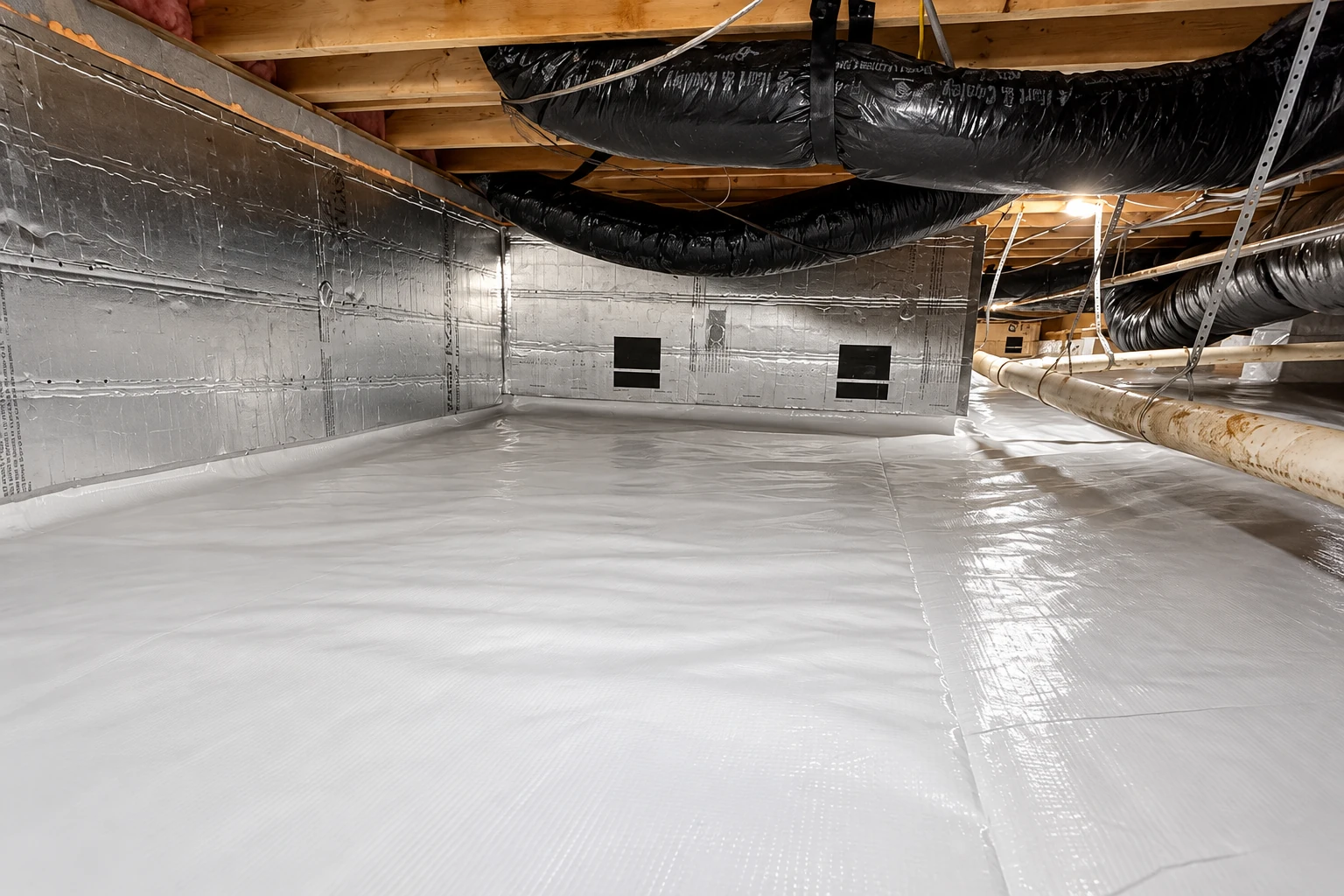
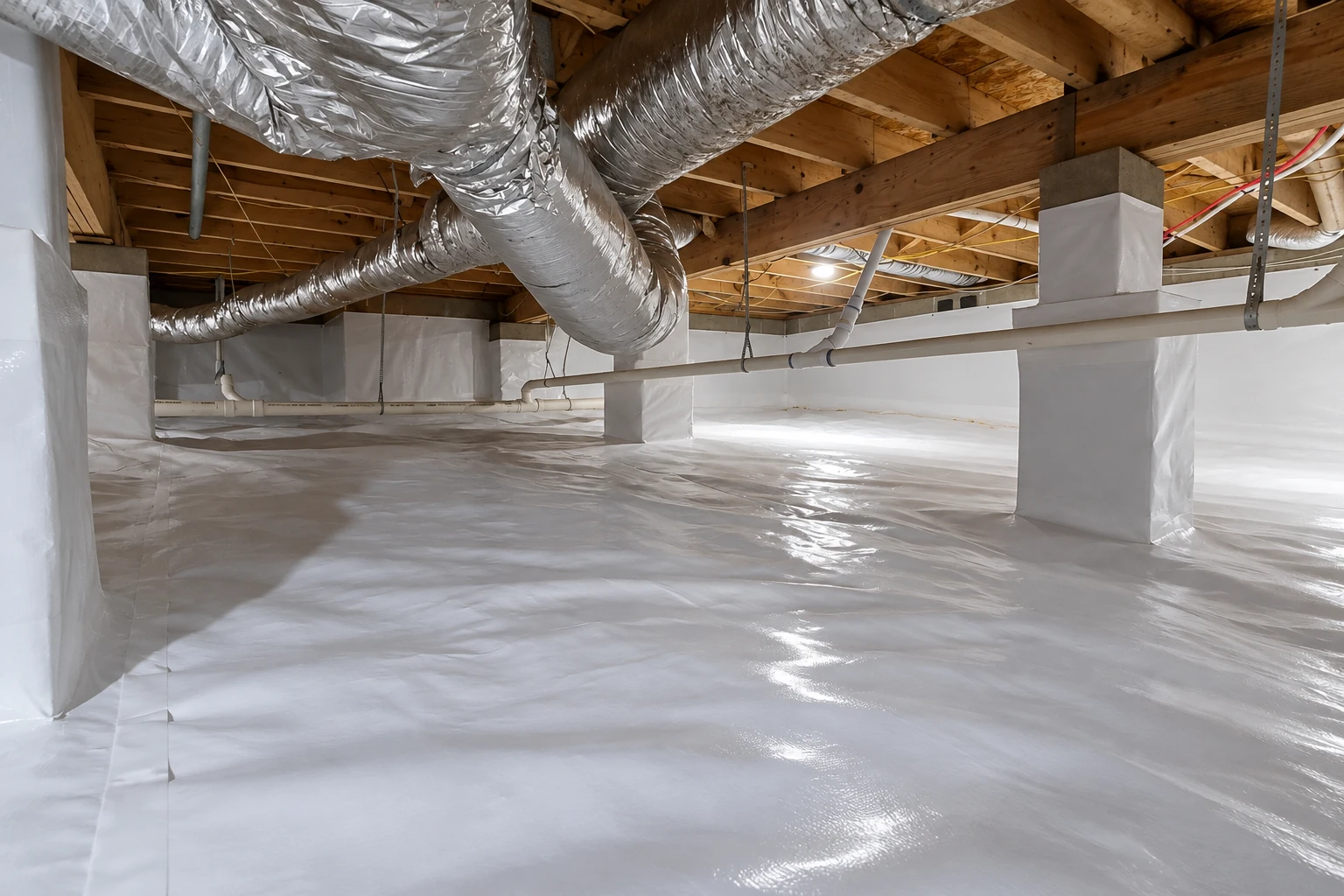
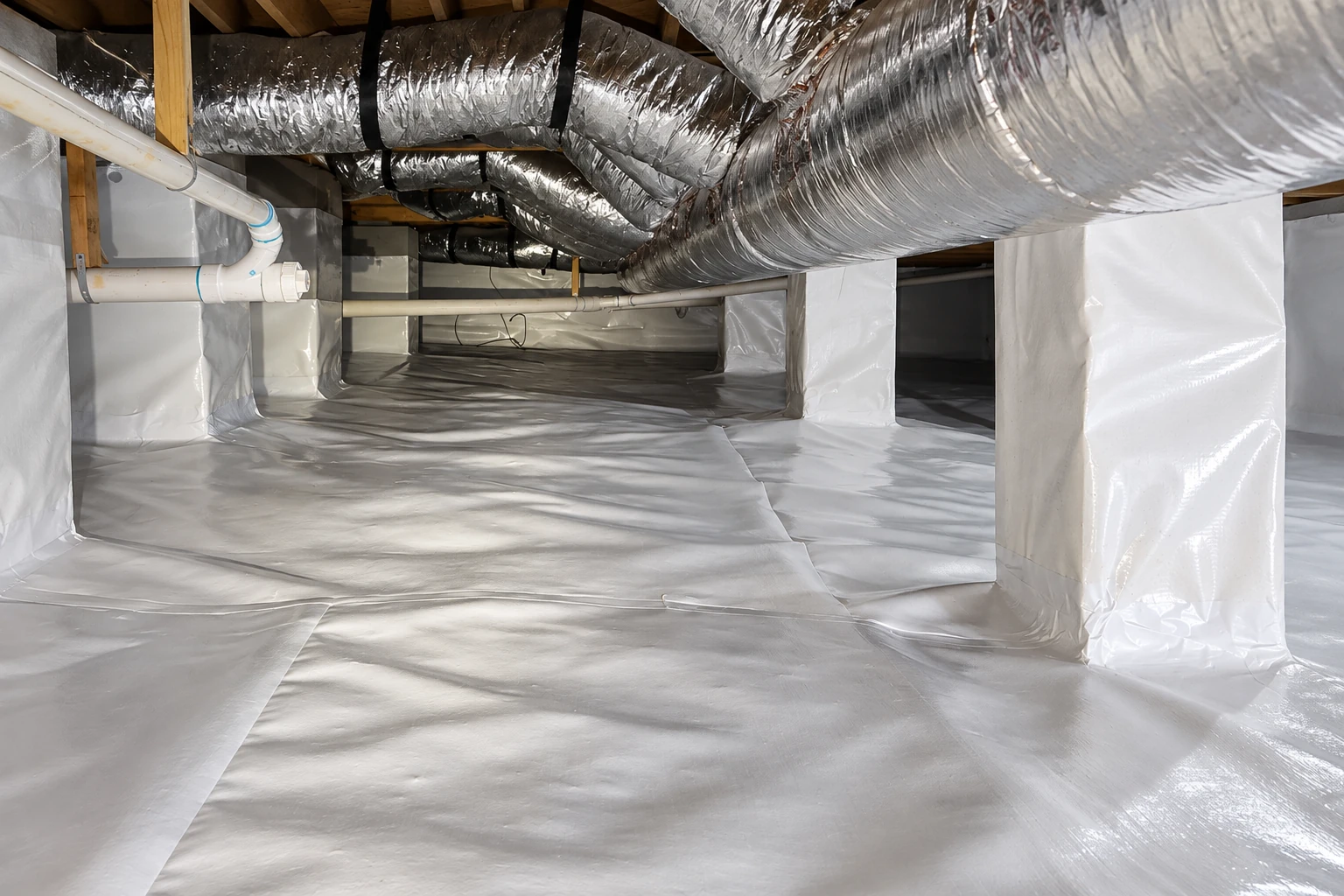
Commercial insulation in North Charleston usually means spraying foam onto the roof deck, walls or crawl space of a shop, office or rental building, so it insulates and closes the air leaks that drive up the power bill. Most of the planning goes into when your space can close.
Calls from business owners and landlords usually start the same way. The AC runs all afternoon and the back room still won't cool, the office is drafty in winter, the power bill keeps climbing, or tenants hear each other through a wall. The price moves with the square footage, which areas need work, which kind of spray foam insulation goes where and how thick, and how much leak repair or old material has to come out first. The schedule turns mostly on when your space can close and how long the foam needs before people can go back in. My estimate puts all of that in writing, step by step, so you can see your own figure and where each part of it goes.
I come out to look at every building and write the estimate myself, one step per line, so you can see what goes where. Our installers do the work with me or a lead installer on site, so someone who knows the plan is there.
I spent years as an HVAC service tech before I started this business in 2023. Working on equipment in attics and crawl spaces showed me that the leaks and thin insulation around it were usually the bigger problem, so that's where I look first.
We're licensed and fully insured. On a commercial job that counts for more than it does at a house, because a landlord, a property manager or a tenant may want to know who's working in the building before the crew shows up.
If your building won't use the work, I'd rather say so than sell it to you, and if a leak or a damp spot has to come first, the estimate says that too. Call (843) 278-0240 or use the form to set up a walk-through.
We reply to every call and form within one business day. The estimate is free, done on site and carries no obligation, so it helps to have your building's square footage, the areas you want insulated and the hours the space can close. After you reach out, I come out, walk the building with you and write the estimate out step by step.
In North Charleston, the city's Building Department issues permits for commercial projects and renovations, and city code requires the proper permits before anyone alters a structure. The city also lists the International Energy Code among the codes it enforces, alongside its building and mechanical codes. What the city asks for comes down to the scope of your job, so we check with the department about your address and take care of any permit the work needs before we start.
Our heat and humidity push moisture into walls from the outside for much of the year, so where a vapor retarder goes matters here. That's the layer that slows moisture moving through a wall. Industry guidance warns that a tight one on the inside face can cause moisture problems in warm climates, that even vinyl wallpaper can do the same, and that in very warm, humid places the retarder belongs on the outside of the wall. Many of the buildings we're called to are older shops and offices with a few rounds of wall finishes, so I check what's on the inside face before we insulate. We're based in North Charleston and do the same work in Hanahan, Goose Creek and the other cities around it. If your city isn't listed, call and ask.
Spray foam insulation in the Charleston area usually costs about $2,000 to $4,700 for 1,000 square feet at 3 inches thick. That's the going rate around here, not our price. Thicker foam, closed-cell foam, hard-to-reach areas and after-hours work push a job toward the top of that range, and my estimate shows your own figure line by line.
Choose closed-cell foam if you want the most insulation per inch, because it's about twice as energy efficient per inch as open-cell, though it costs more. Open-cell foam costs less and blocks sound much better, so it suits offices and shared walls where quieter rooms matter more than every inch. Plenty of buildings end up with each foam where it fits best, and the estimate spells out which goes where.
Some foam makers recommend 24 hours before people return, but it varies by product, so the re-entry time, when people can safely come back, has to come from the exact foam being used. Spray foam chemicals in vapors, aerosols and dust can cause asthma, lung damage and skin and eye irritation, both while the foam goes in and afterward. That's why the plan keeps staff, tenants and customers out through both stages. We'll give you that product's re-entry time before you pick your closing window.
Pick a window when no staff, customers or other trades need to be in the building while the foam goes in, because that's the safety advice for this work. In larger buildings where some rooms have to stay cooled, the federal contractor checklist for spray foam says to turn off the heating and cooling system or close off the branches that serve the work area. Spray foam contractors also review air and surface temperature, humidity, surface moisture and wind before spraying, and the work area or the schedule may have to shift to suit them.
The SC Contractor's Licensing Board regulates contractor licenses in the state, including those for general and mechanical contractors and construction managers. Before you hire anyone for spray foam, federal safety guidance also suggests confirming the crew has had proper training and checking the contractor's insurance and licenses. Ask me about any of that when I come out.