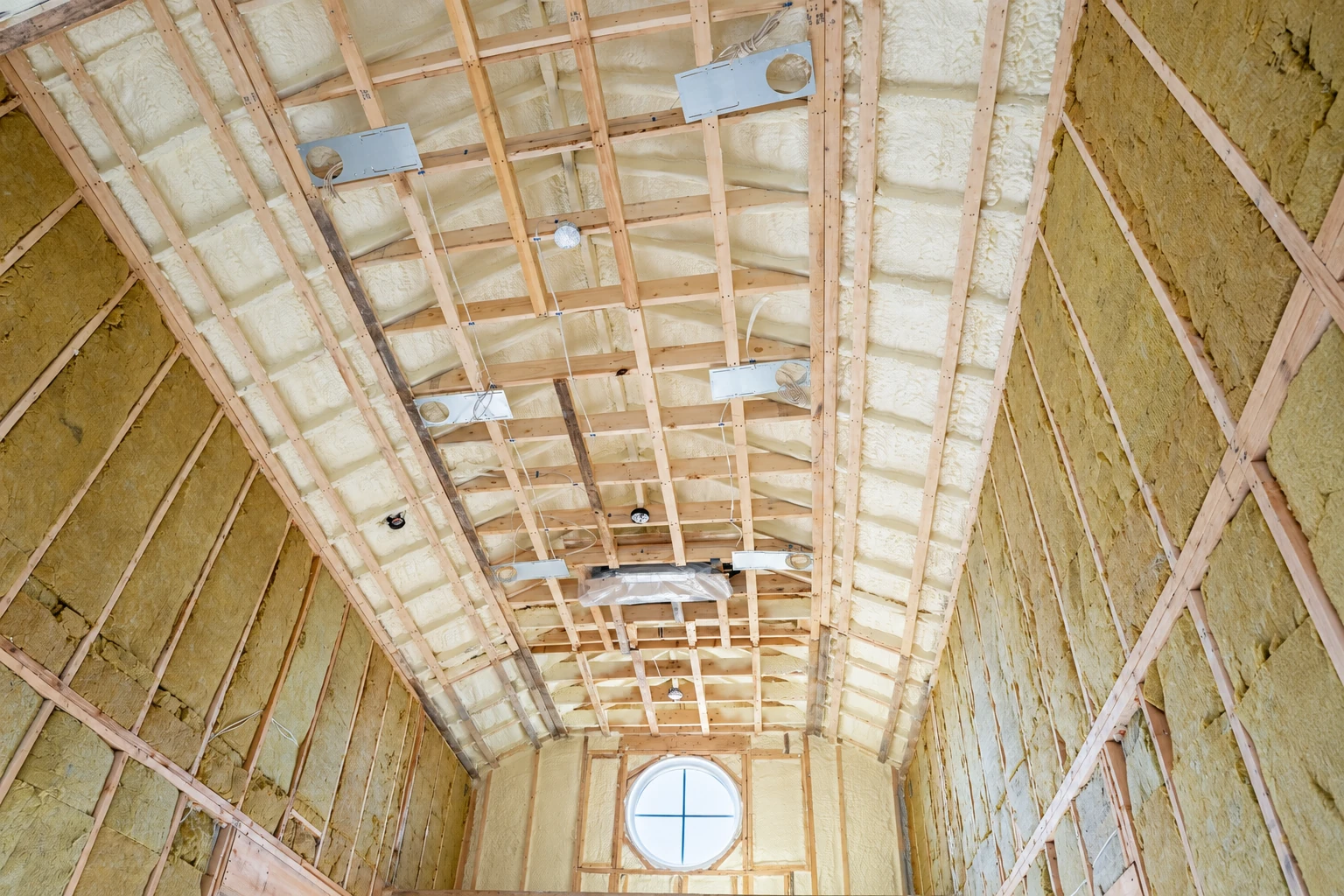
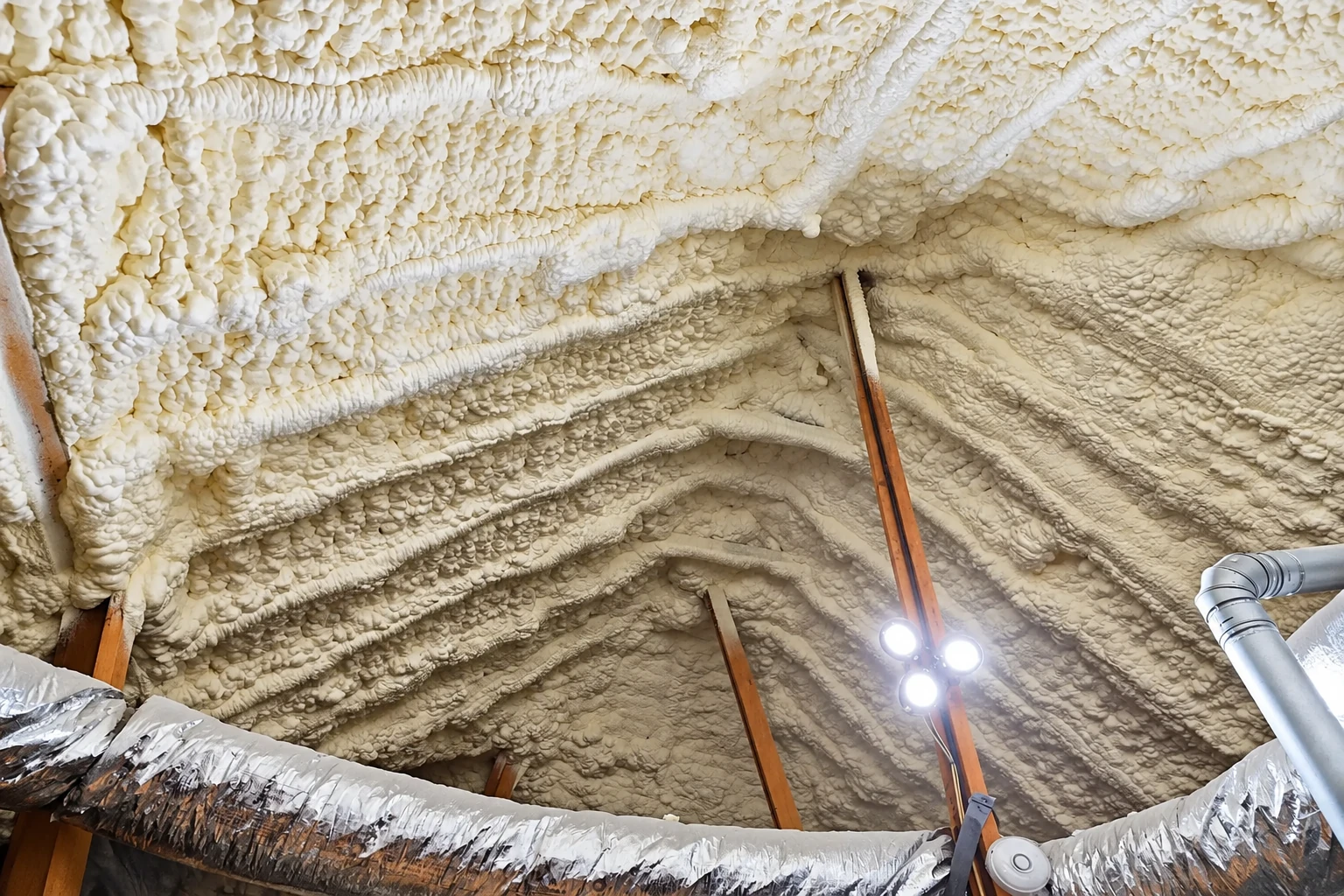
Before I quote any foam, we walk the house together and talk through whether each spot needs closed-cell foam, the dense kind that also stops moisture, or lighter open-cell foam. Next we plan with you for everyone, kids and pets included, to be out while we spray and until it's safe to come back, and if you have a gas furnace, water heater or other fuel-burning appliance, I bring it up now so fresh air gets planned along with the foam. On spray day we look over what's already in there first, because foam laid over old insulation that's been soaked or full of droppings just seals the problem in, so that comes out before anything goes on. Then we spray each area, working the foam into the gaps around pipes, wires and the hatch and keeping it full at the edges where coverage tends to run thin, trim it back and clean up before we hand the house back.
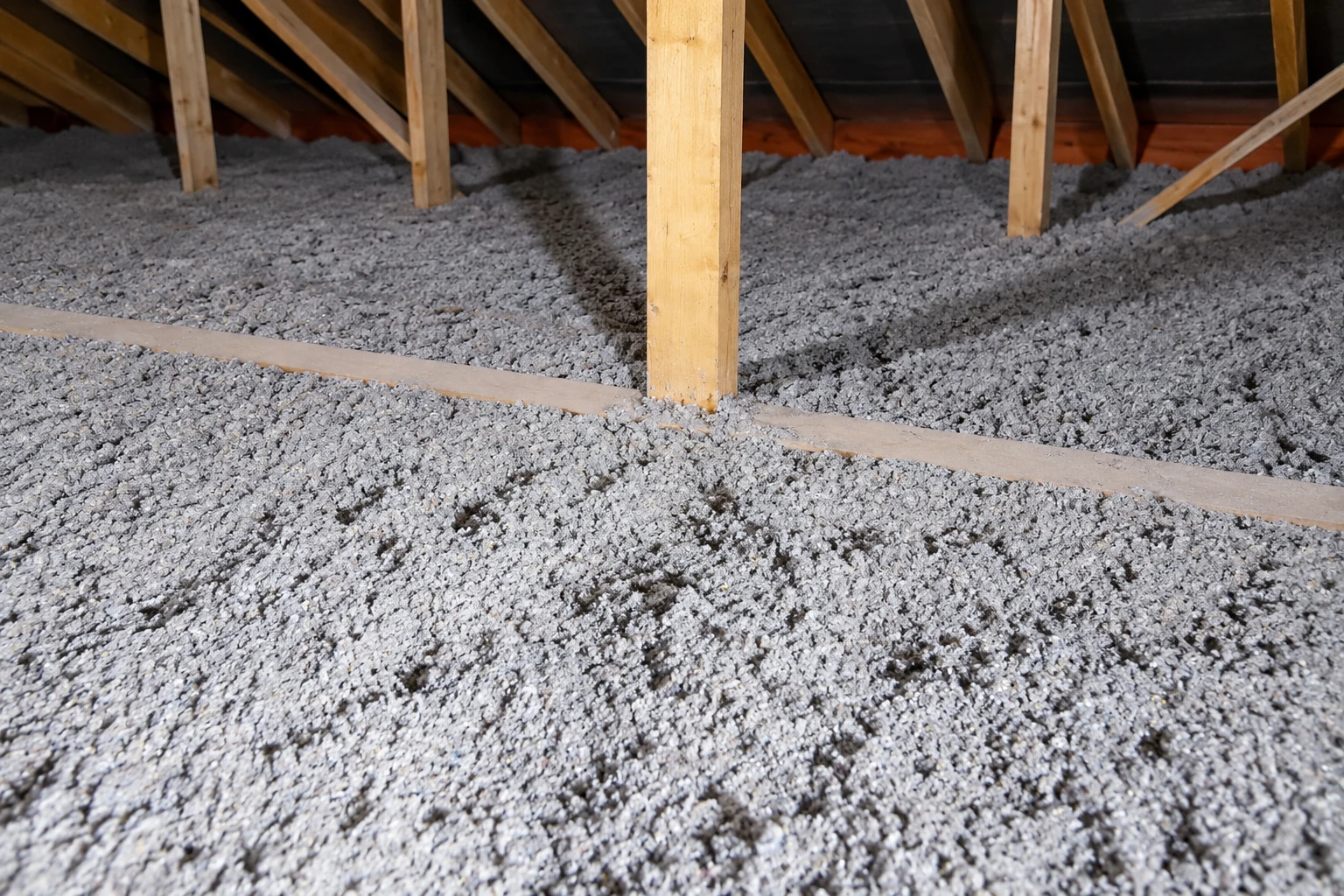
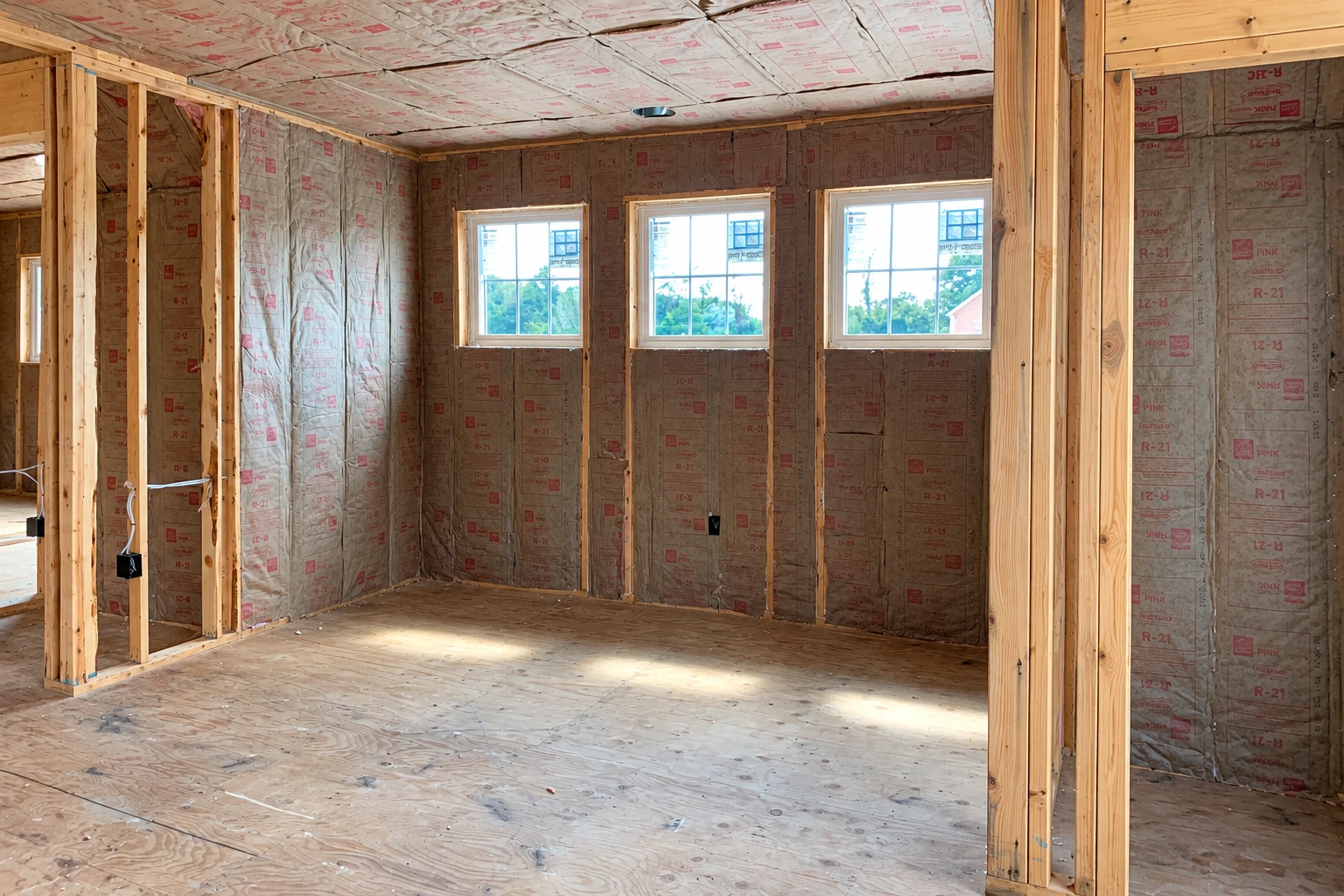
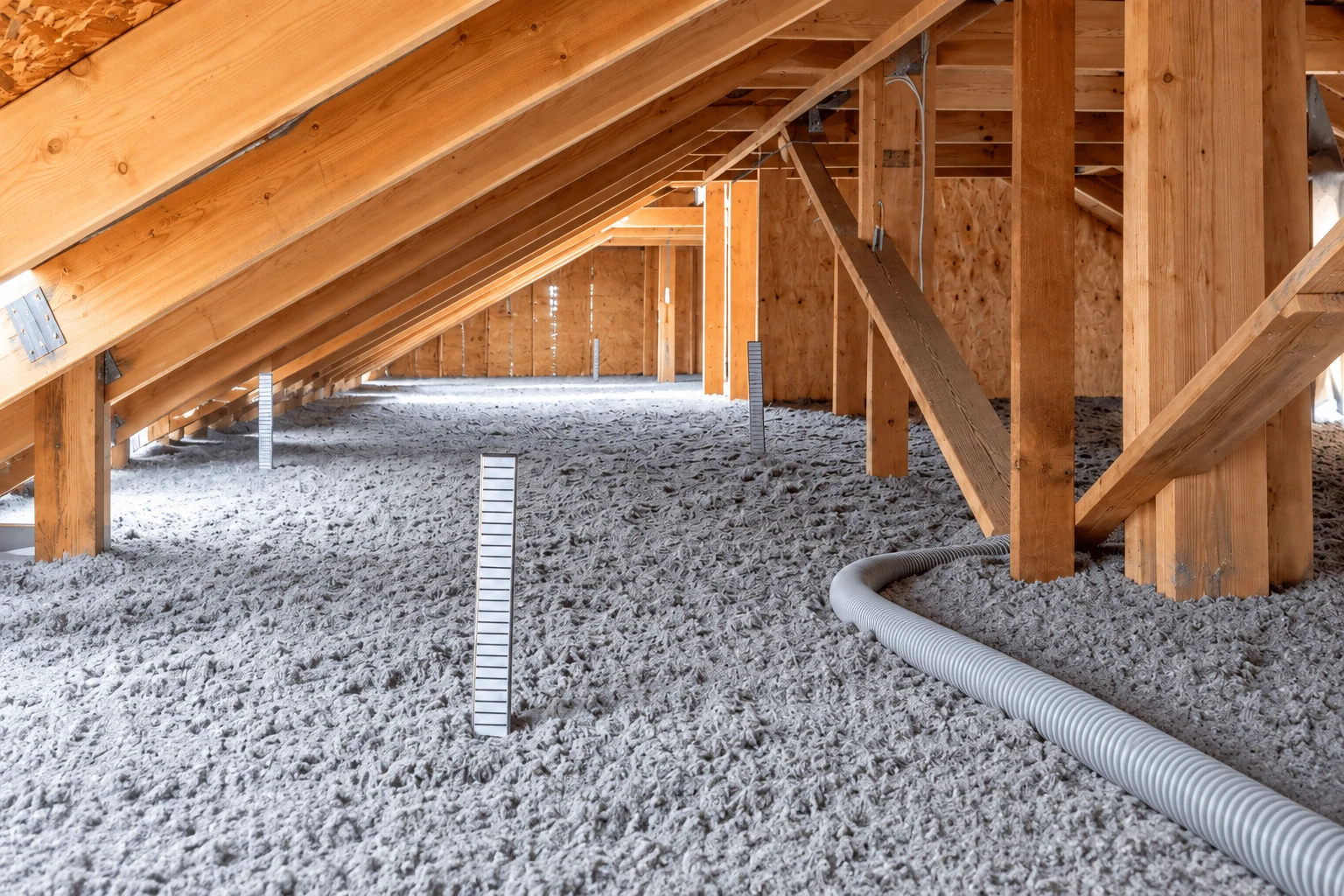
Foam isn't always the whole answer. If it only makes sense for part of the house, the rest of your attic insulation may be a different job, and when your ductwork doesn't run through the attic, sealing the gaps and topping up with blown-in insulation, loose fill blown in through a hose, usually does the job for less money. When that's the case, that's what I'll recommend, because I'd rather tell you a job can wait than sell you work your house won't use.
Closed-cell foam for walls and damp spots
Closed-cell suits walls, crawl spaces and anywhere moisture worries you, because it's dense enough to stop water vapor as well as air. It usually costs more, so we save closed-cell foam for the spots where that extra work matters.
Open-cell foam for rooflines and inside walls
Open-cell is lighter and softer, seals air well and usually costs less, which suits rooflines and interior walls where moisture isn't the main concern. Water vapor can pass through it, so we keep open-cell foam out of the places where that would cause trouble.